The Designer Inspired by the World, not the Internet
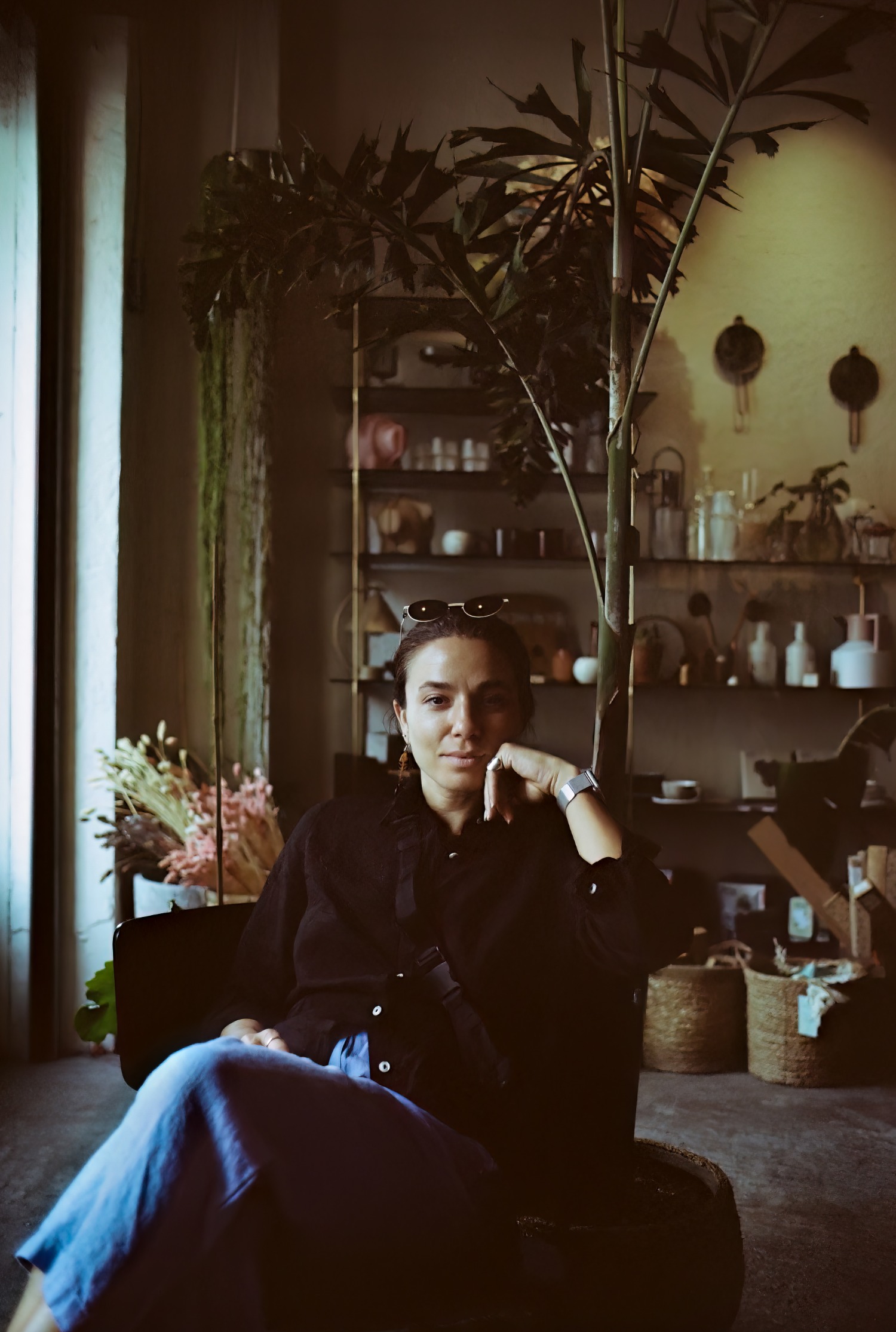
When she applied to Parsons School of Design, Meryl Vedros thought she was going to be a fashion designer. “But when I got there,” the 36-year-old explains, “I accidentally walked into a typography class, and that changed everything. I realized you could design alphabets and that communication design was an entire industry.” So she switched majors and, fast-forward almost 15 years, now runs her own internationally recognized brand design studio.
Currently based in Los Angeles, Vedros grew up in Kansas City and has lived around the world; she’s also visited over 30 countries, many more than twice and almost always for business. She’s helmed projects for clients ranging from the Academy Museum of Motion Pictures and Google to local skincare companies and coffee roasteries. A self-proclaimed “visual problem solver”, her creative process is driven by travel and locally rooted experiences. Here, Vedros shares more about her interest in design, grounded in some of her formative experiences in Japan, Vietnam and Colombia, and where she continues to find inspiration around the world.
> Learn more about Meryl’s design and travel philosophies in Without Borders, a newspaper made by Vedros Studio to share their unique process of finding inspiration and purpose from the world, its people and the micro-details of cultures.
Inspire EditionHow did you first become interested in design?
Meryl VedrosI grew up in a creative family. My grandmother was a painter, my mom always sewed and made clothes, and my dad was a successful commercial photographer, so it was always in me to be creative. When I was 16, I saved up my allowance and got the most ‘Gucci’ business cards a 16-year-old could have at the time: they were letterpressed with ‘Meryl Vedros, Designer’. I didn’t know what kind of designer I was going to be, but I wanted to take that title. It’s overwhelming to me to create something out of thin air, to purely express through art, so I was drawn to design because it is both expressive and problem-solving — and being able to solve problems visually is so exciting.

IEYou worked at various agencies before founding Vedros Studio. What made you decide to go out on your own?
MVThe last job I had was at an agency specific to hospitality and the restaurant industry. The studio was briefed on a project for a Thai restaurant and when I started doing some research, I asked the room, “Has anybody been to Thailand?” Everybody said no. Then I said, “Has anybody been to Asia?” And everybody said no again. It was the first time I realized what cultural appropriation was — it felt so bizarre and wrong to be on the internet looking for beautiful idiosyncratic details of Thailand, let alone Asia, as a white woman living in Texas at the time.
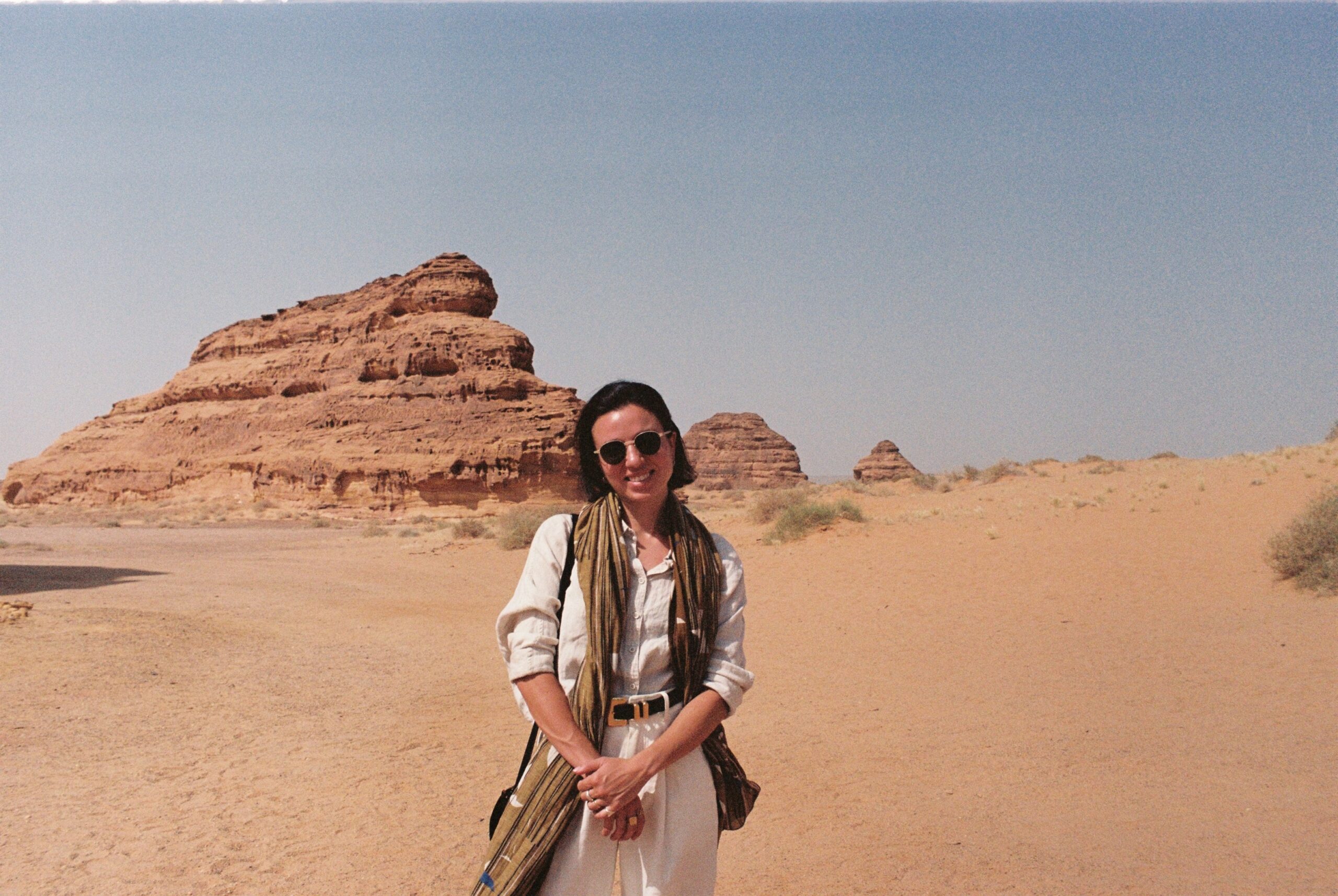
I ended up getting let go from that job, which was such a blessing — I bought a one-way ticket to Japan and backpacked across the country for a month. One night, I was in a bar and noticed each person’s drinking glass matched whatever color they were wearing. It was the most brilliant thing I’d ever seen: that person in navy blue has a navy-blue glass; that person in red has a red glass. I realized it wasn’t a coincidence – and that those were the kind of details I wanted to bring into my design work. This does not exist on Pinterest. This does not exist on a mood board.
After Japan, I went to Vietnam for a month and then Thailand. For the following three months of solo traveling I became obsessed with details, like the color combination on a Vietnamese food trolley or the little prayer-offering boxes outside a home in Thailand. From then on, I told myself I was never going to go back to working in an agency. I was going to start my own studio with the sole purpose of being inspired by the world, not the internet.
IEHow did you manifest that goal?
MVThis is a funny part of the story — it’s going to sound like I’m making it up, or like it’s out of a book. Essentially, I had an epiphany on a boat in Ha Long Bay, Vietnam. I met this cool German woman, we had been traveling together for a week, and we went on a boat trip. It was really foggy and when I went towards the edge of the boat, I thought, “I’m going to sell everything and move to Berlin.” I had never been to Berlin and I knew nothing about it. I only knew I was obsessed with the Bauhaus and that schadenfreude was the funniest word I had ever heard. When I went back to the States, I saved as much money as I could for six months, then got a one-way ticket to Berlin. I brought one suitcase and my Pantone books and started Vedros Studio in June 2016 from a space in Neukölln.
IEWhat was one of the first projects where you felt like, “this is real, this is happening”?
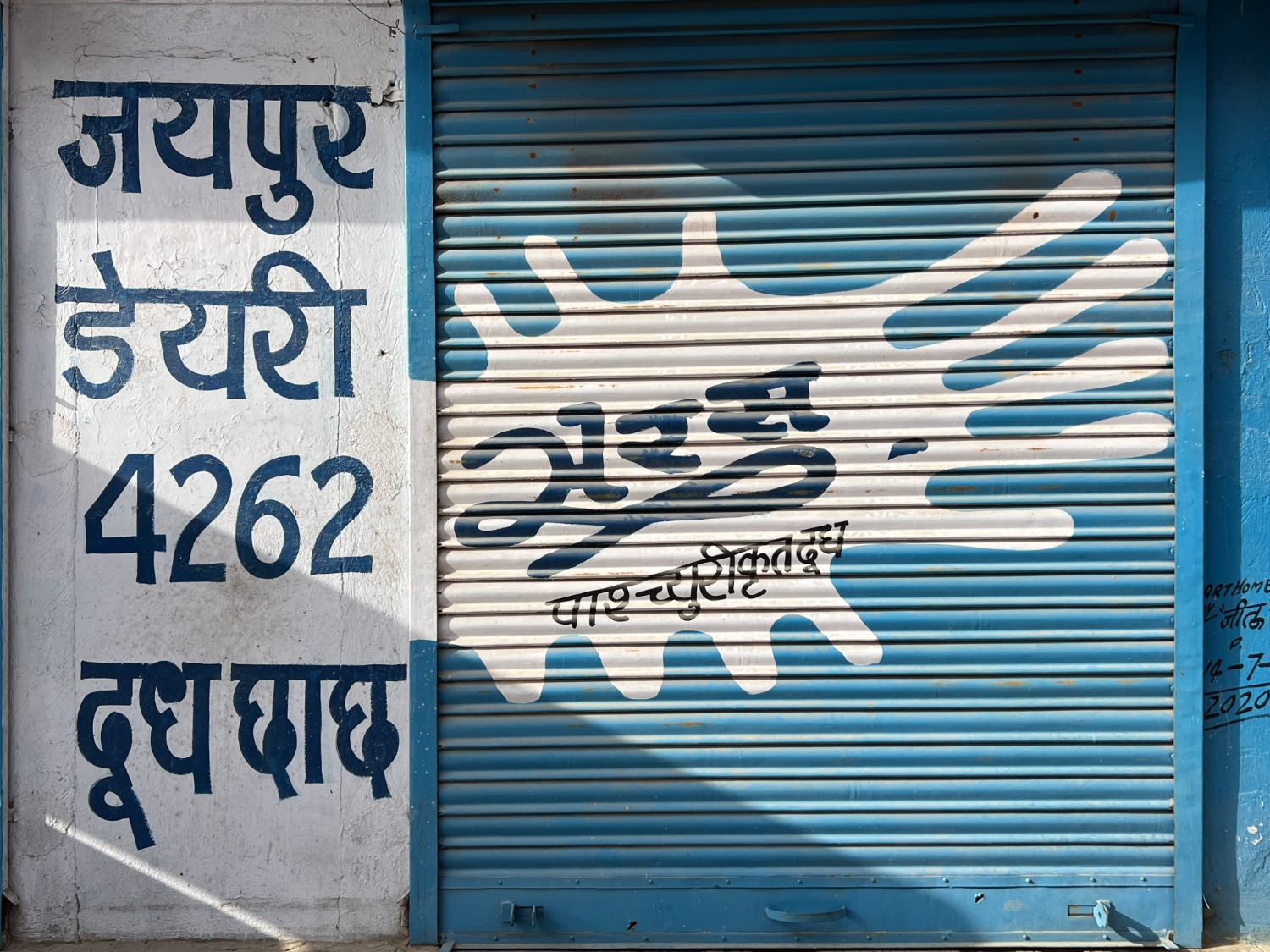
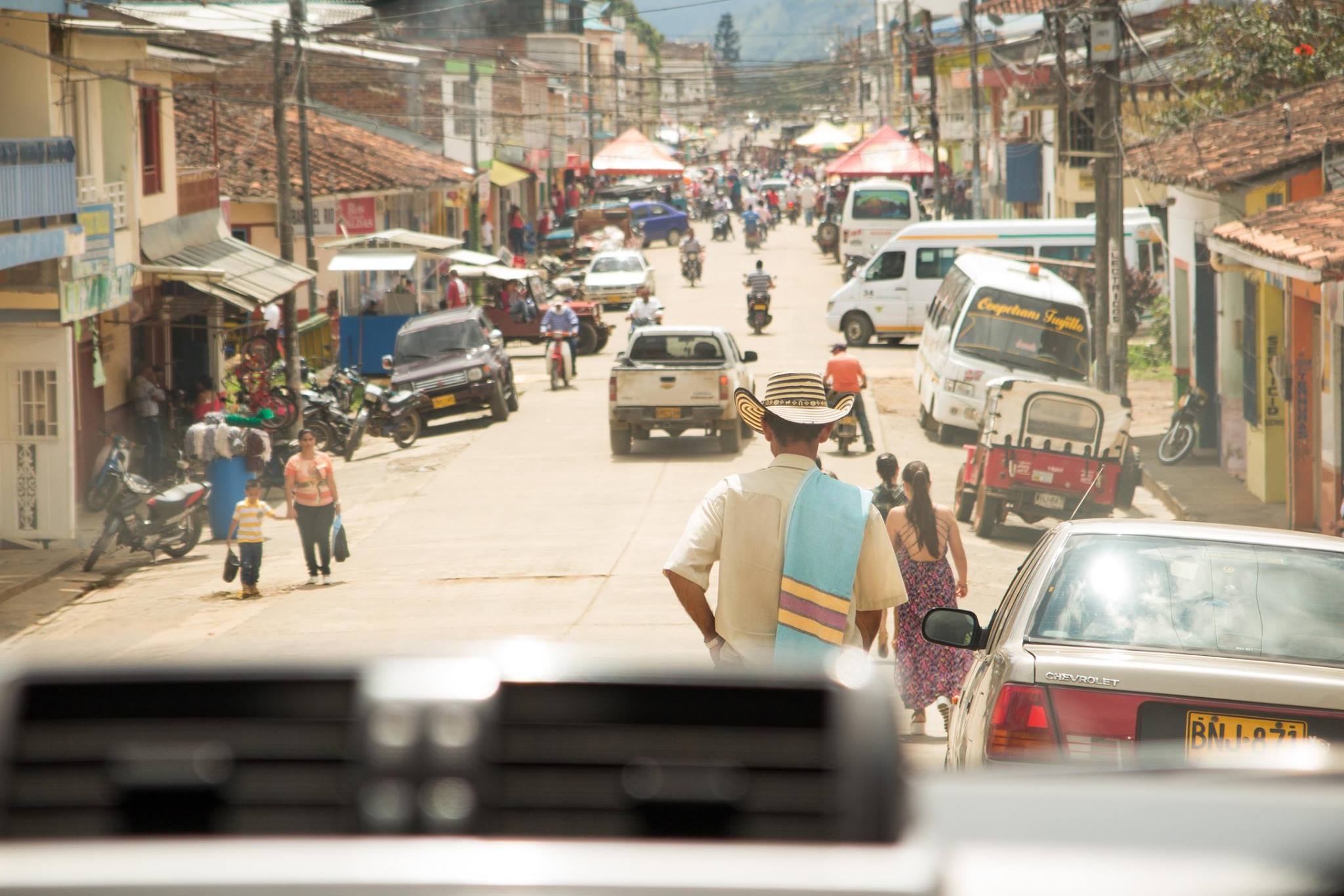
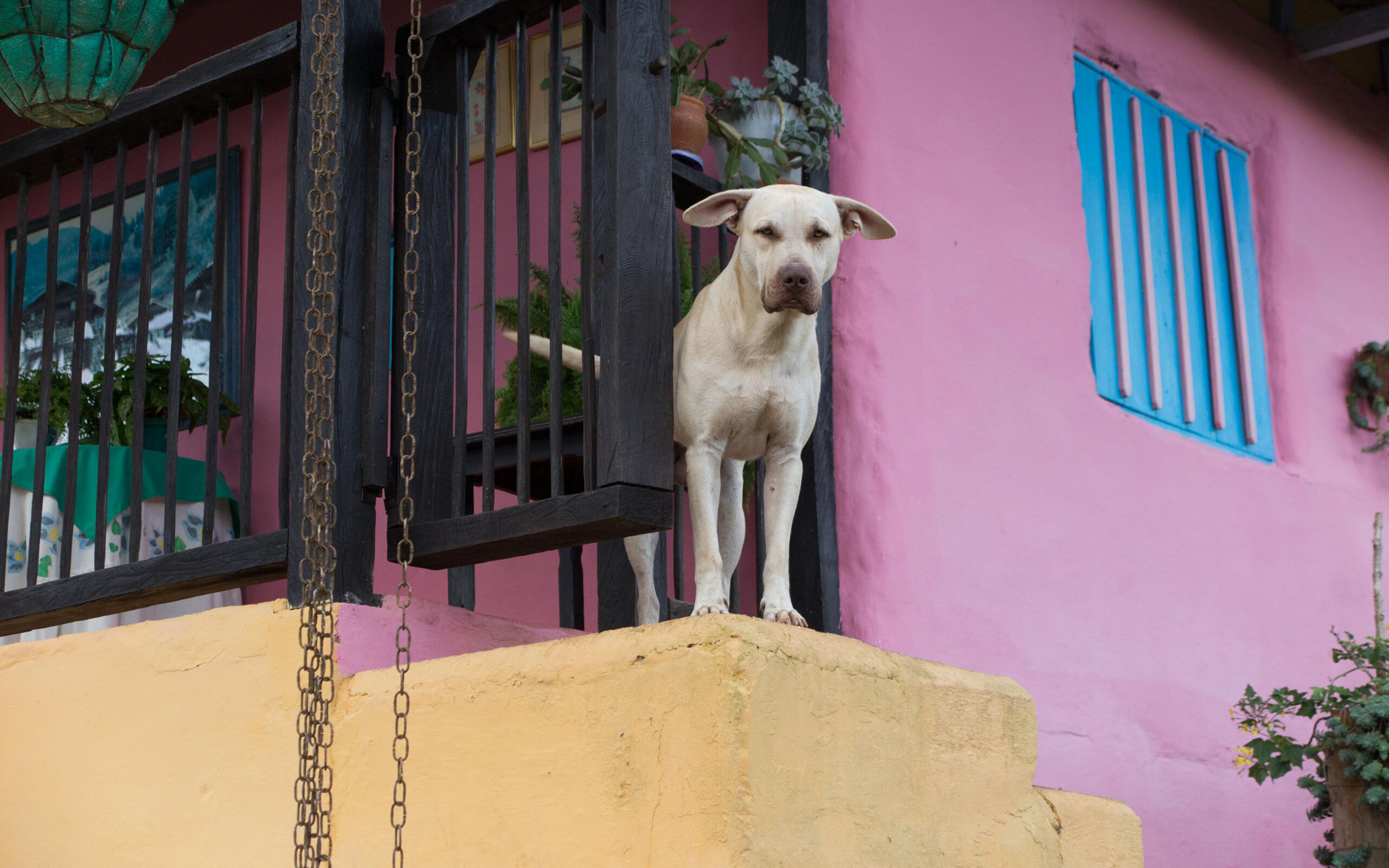
MVI landed a project for a single-origin coffee company based in Kansas City, who sourced their coffee from Colombia. When I started doing research, I caught myself back on Pinterest, so I reached out to the client and said: “This project will be 10 times better if I fly to Colombia and stay for a while to visit the farmer, get to know the people, and be inspired by the culture.” They said yes, I went, and the client was so happy with the end result. That solidified my process. From then on, it was real; Vedros Studio would be inspired by the world, not the internet.
IEWhat was one of the key things from the trip that you incorporated into the brand design?
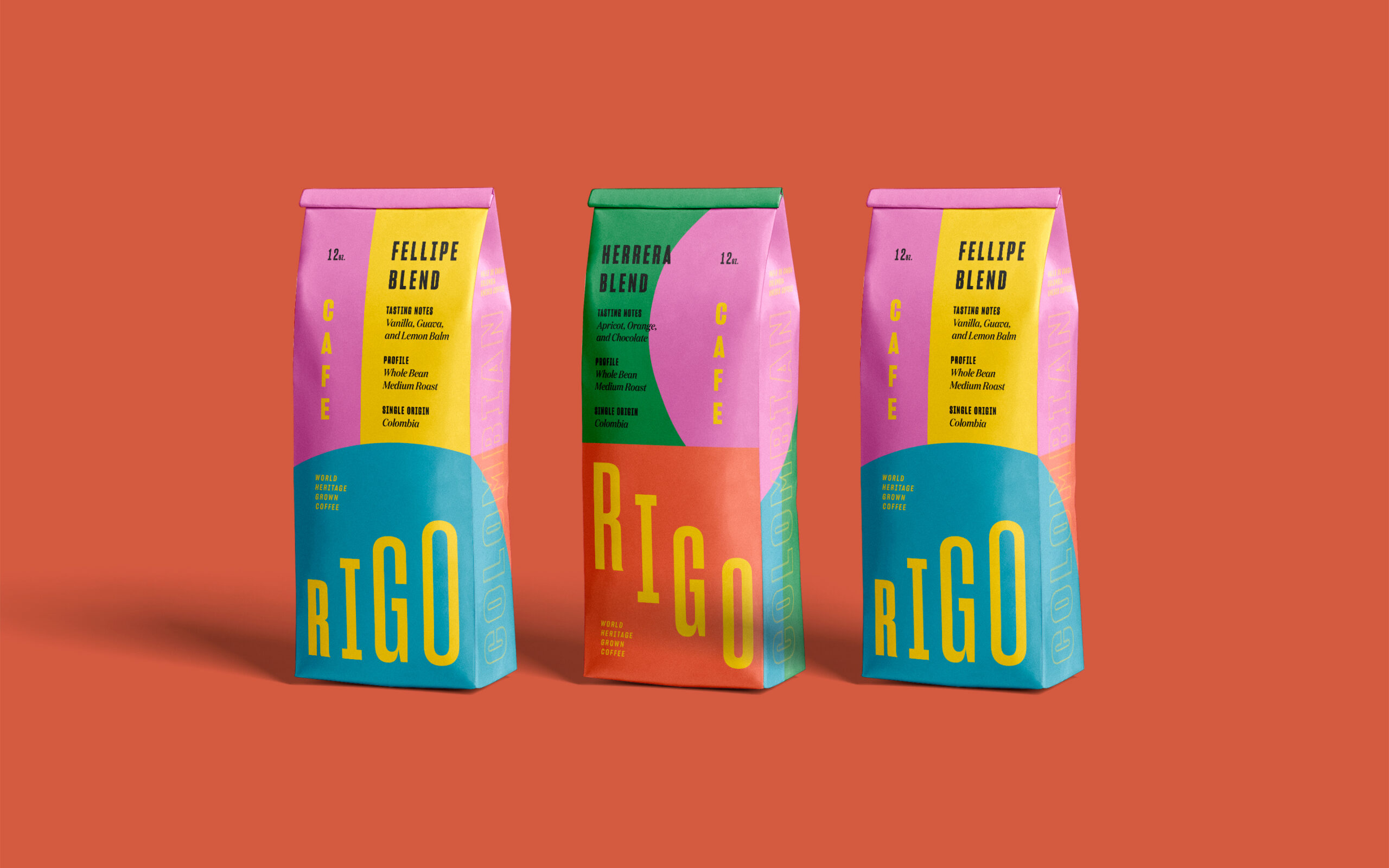
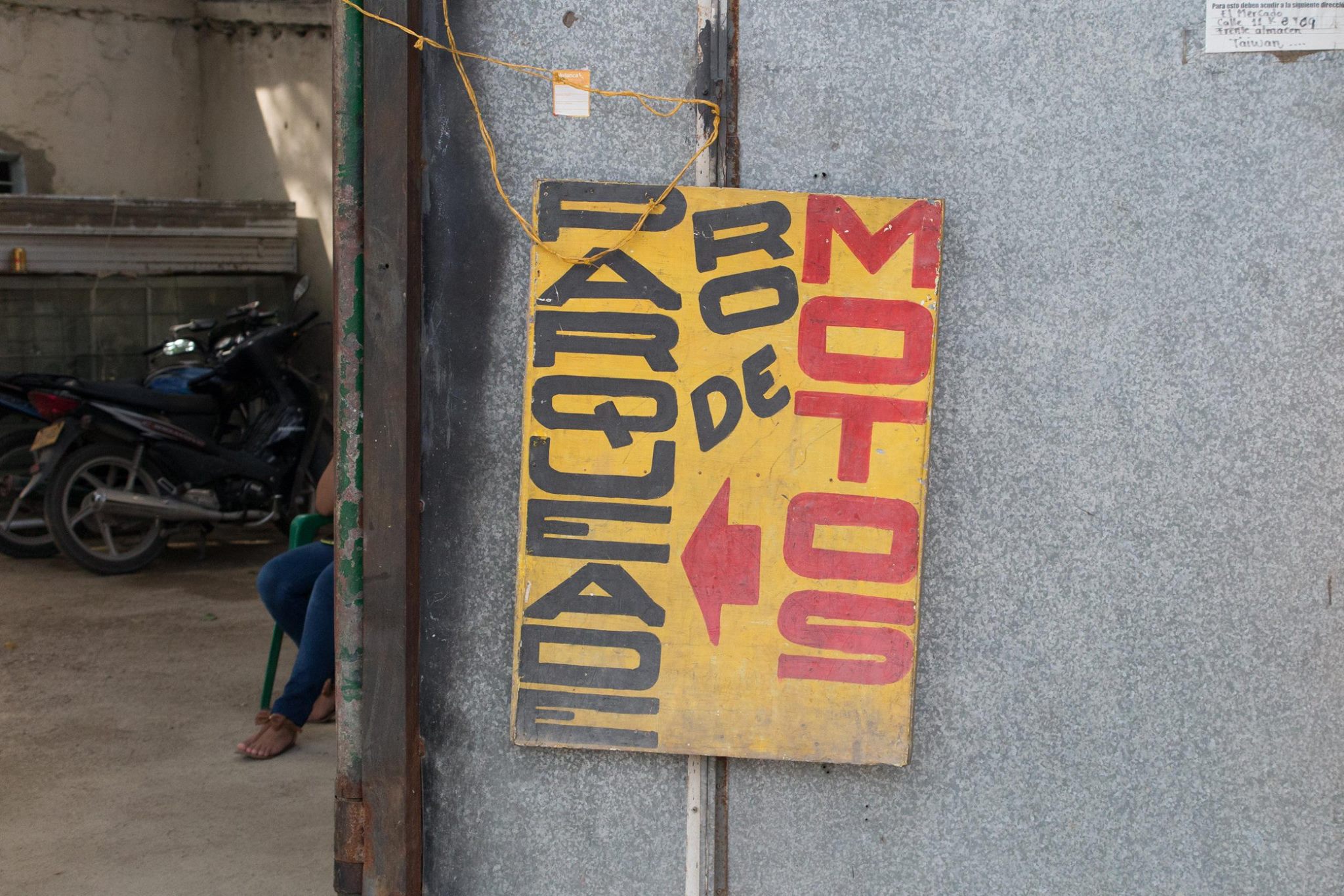
MVI noticed that in Colombia there was stacked type everywhere. Stacked type is, for instance, where on a sign saying “bodega” the B is on top, then the O is below it, then the D is below that, and so on. I could never figure out why, but there were beautiful, imperfectly perfect moments of type and color when stacked-type signs from neighboring stores overlapped. That vernacular then started to reveal itself elsewhere, even with tombstones in cemeteries. So, when it came to the brand design, this inspiration made its way into the wordmark, which ended up being diagonally stacked letters. Visual connections like this gave the project life in such an authentic way.
IEBeyond traveling, you’ve called many cities — Kansas City, New York, Austin, Berlin and Los Angeles — home. How have these places shaped your creative practice?
MVKansas City taught me that anything is possible. My dad is Greek and he has a sort of immigrant mentality, which he really nurtured in me. Despite being landlocked in the center of the United States, I saw what he created with his photography career. My mom also loved to travel and always encouraged me to get out there.
New York taught me my work ethic and what it takes to live in a city like that — I definitely got my tough skin from New York.
In Austin, I learned how to balance my creativity with exercise. I thought I was going to hate living there, but I came to love it because I took up running and enjoying the outdoors, which is still hugely important for me. Every day, I try to do 20,000 steps. Getting that movement and extra oxygen to my brain keeps me inspired.
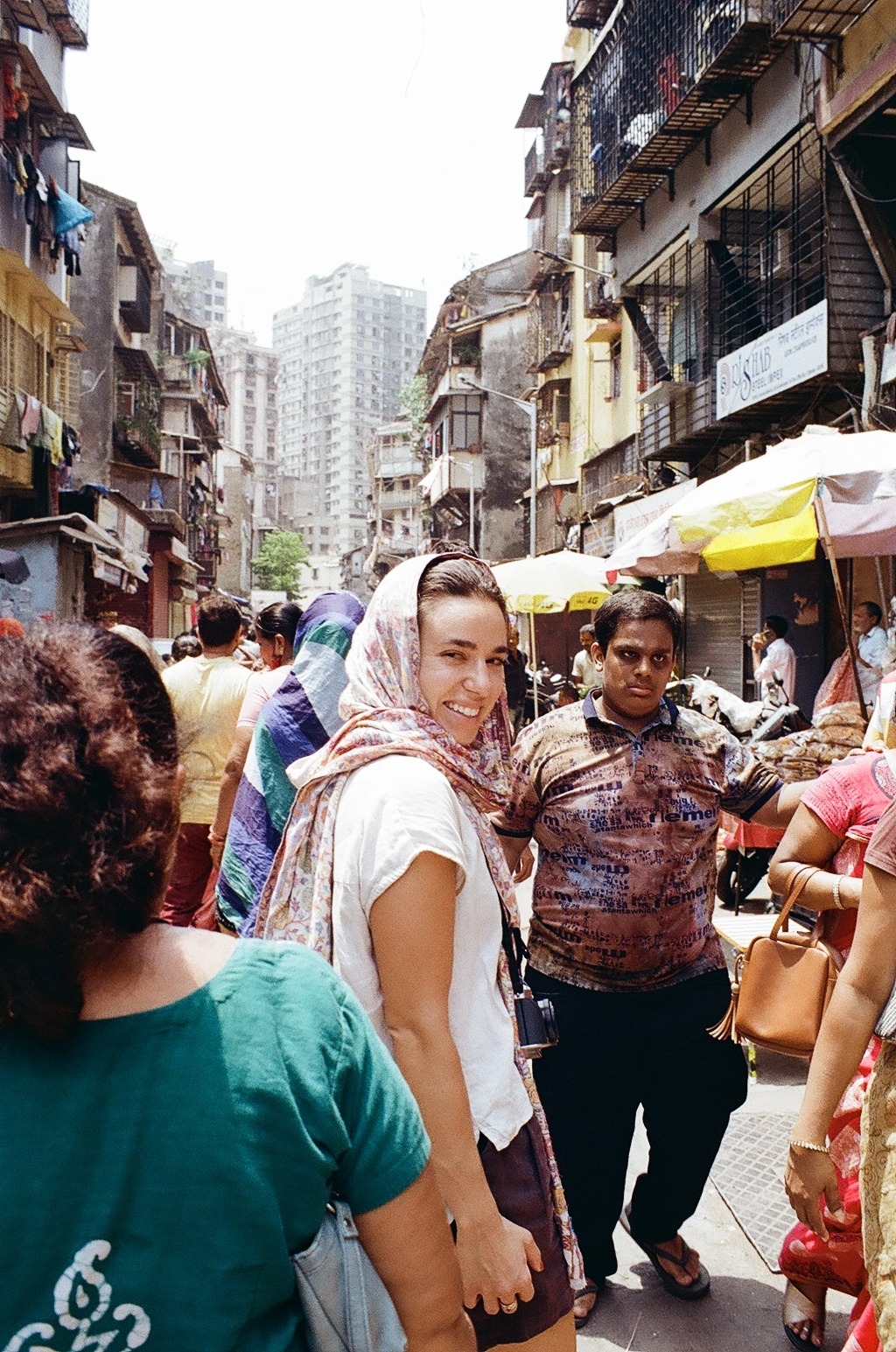
Berlin, as I mentioned, was the place I manifested Vedros Studio and defined my philosophies around design. It was a homebase for three years, where I made everything real for my creative career and also explored Europe — I went to around 20 countries while living in Berlin.
Los Angeles, where I’ve lived since 2019, has been a great blend of everything. It has also taught me to lean into other areas of creativity. The city really encourages people to have more than one thing going in their life, and I love that feeling of being in my mid-thirties and having the confidence to do random things like ceramics or designing textiles.

IEHow would you define your design philosophy?
MVTo me, design is more than just the look and feel of, say, a product. It’s about the deeply intrinsic cultural details and values of the founder or the people behind a brand. If I’m designing a brand for a Mexican influencer, I want to know exactly where her family is from, what the tiles there look like, the colors of everything, what type of people live there. My philosophies are deeply cultural and rooted in the people, places and things that surround the person or the product, not only the selling points of whatever it is.
IEWould you say that your biggest inspiration is travel?
MVAbsolutely 100%. If I’m not traveling or moving in some way, I’m not inspired.