Reconnecting all Forms of Life Through Art
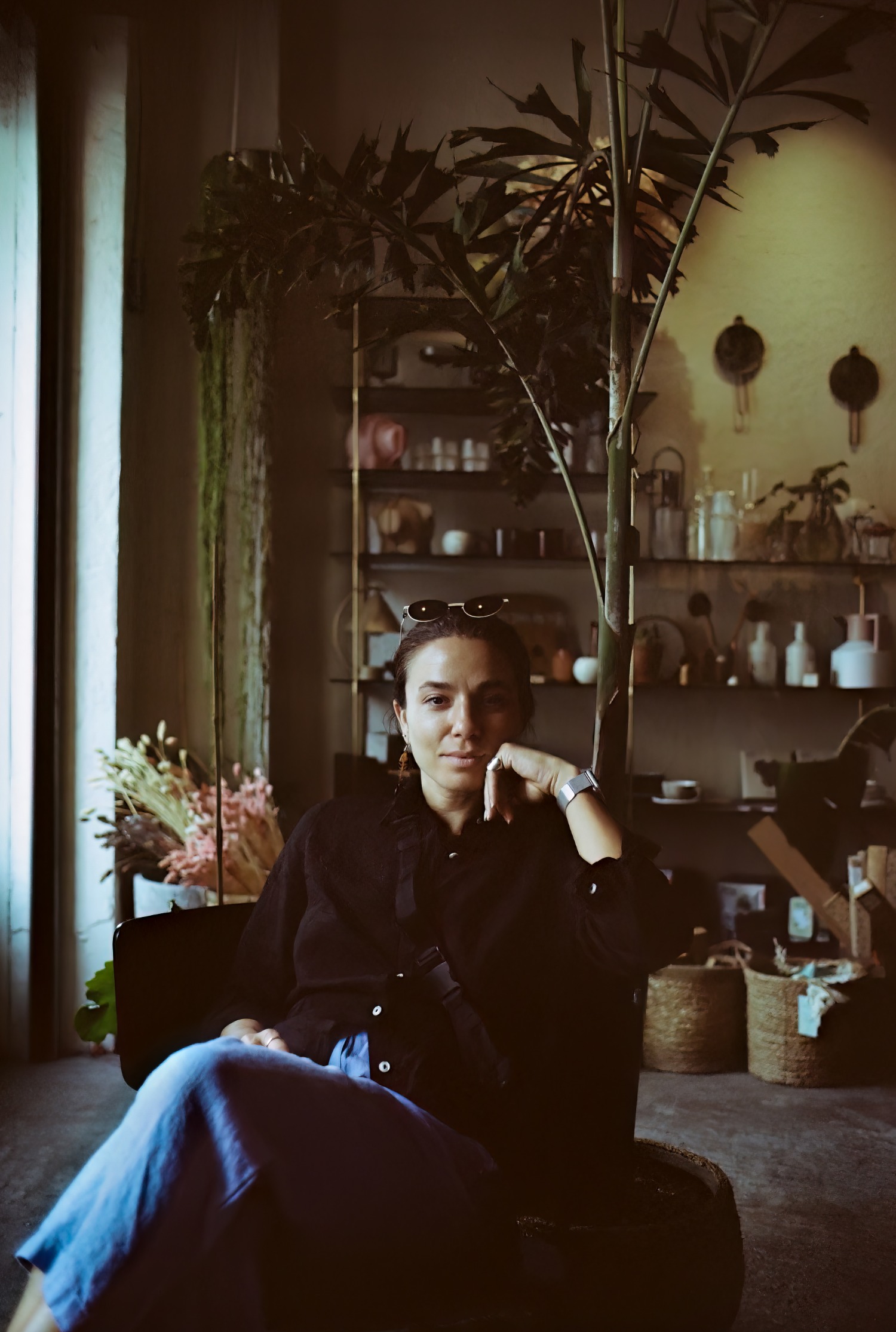
Roxane Revon is a multidisciplinary artist based in Brooklyn, who works across bio art, scenography and multimedia installations.
Raised in a picturesque village in the South of France, Revon’s mixed cultural heritage bridges continents and ethnicities, fueling her drive to address life’s big questions and peel back layers of history and social conditioning. She started out as a Philosophy graduate at La Sorbonne University in Paris, before moving to the US to follow her instinct for creative expression at Yale School of Drama, building a successful career as stage director and scenographer, then moving into the world of art.
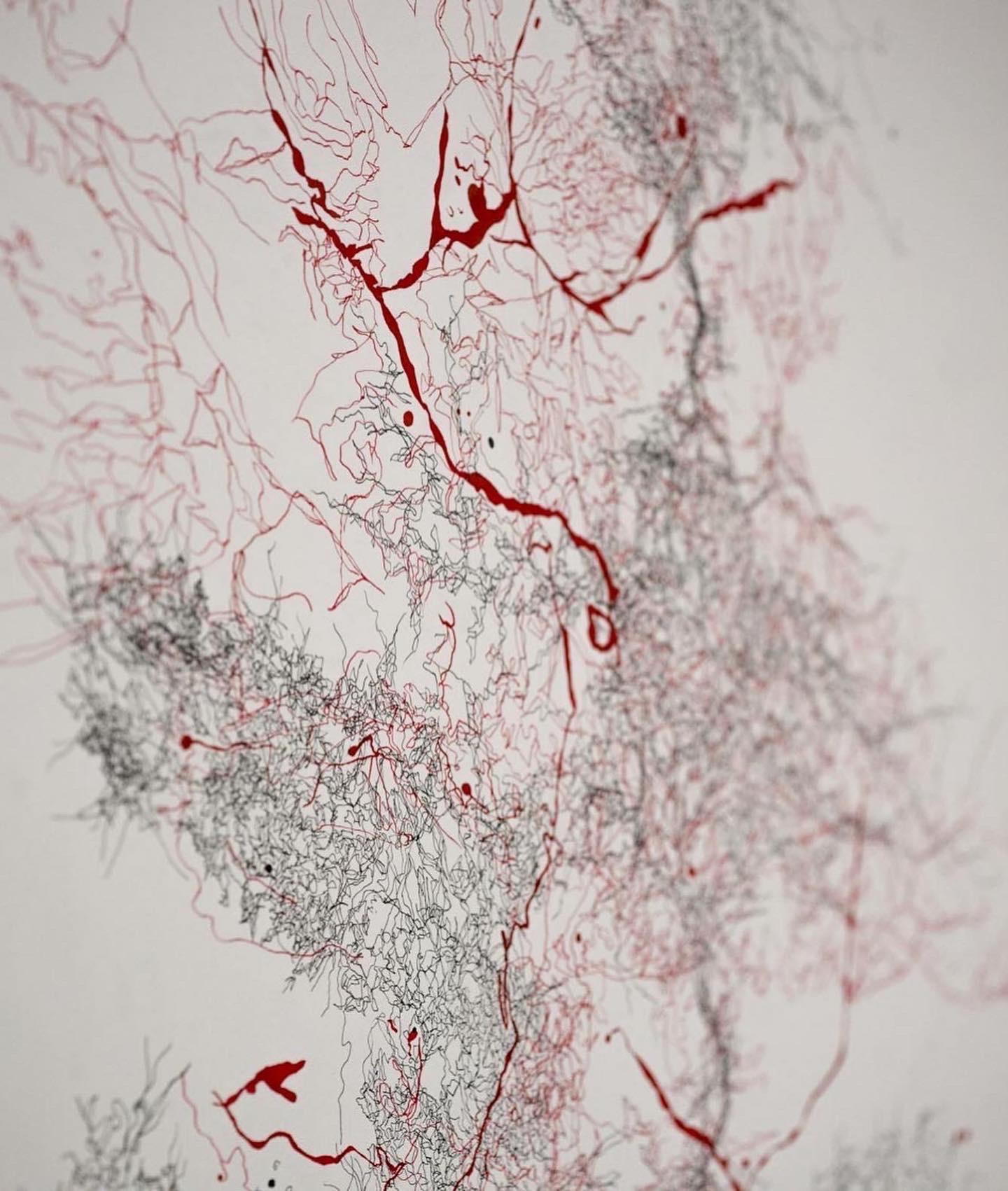
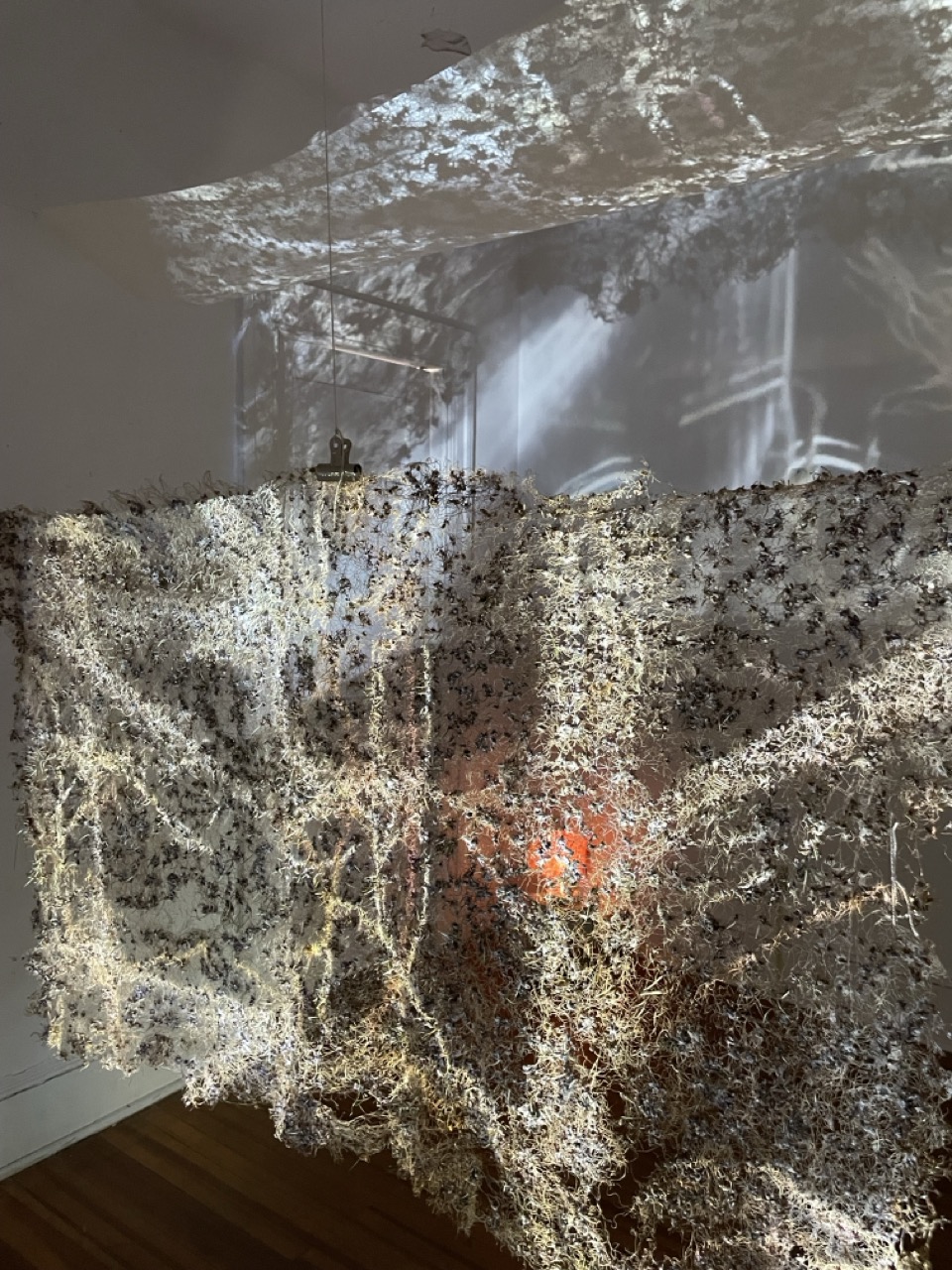
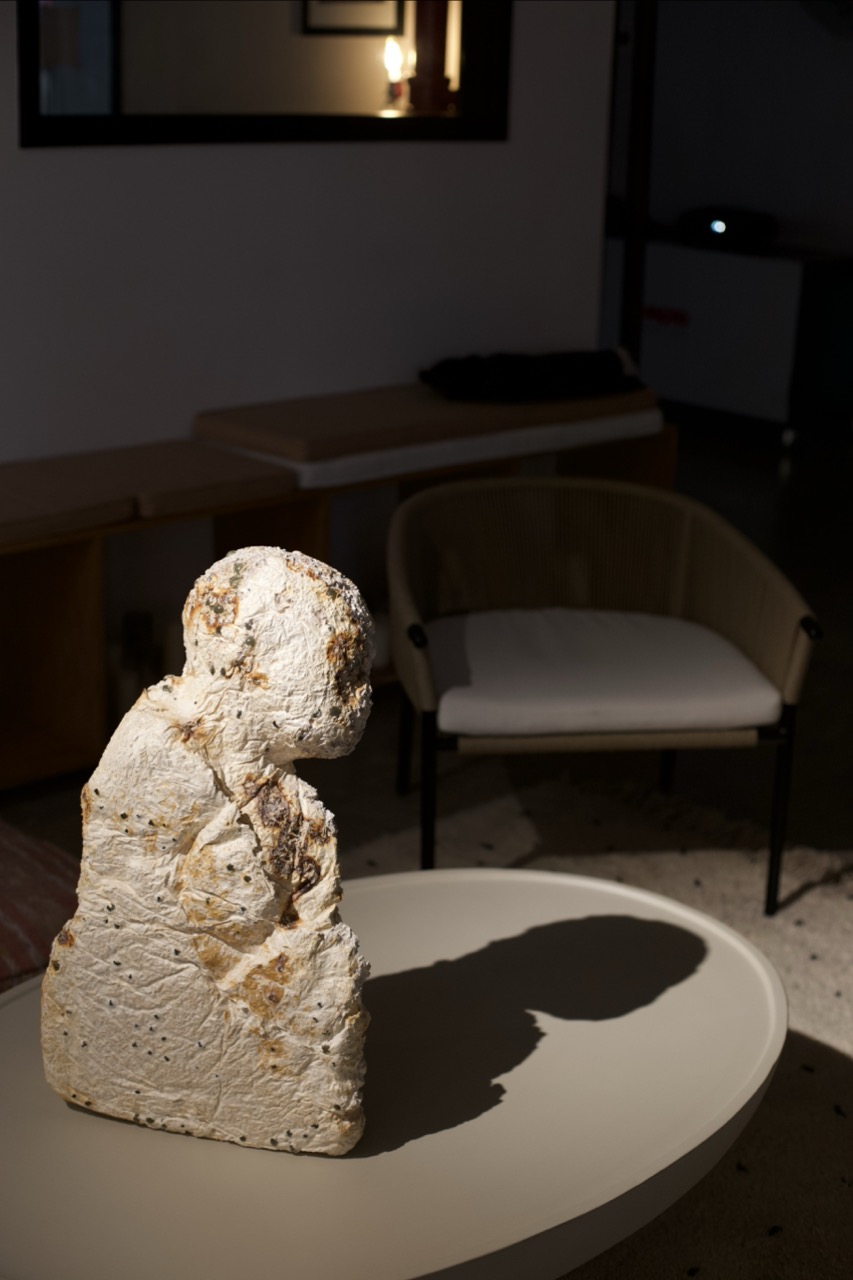
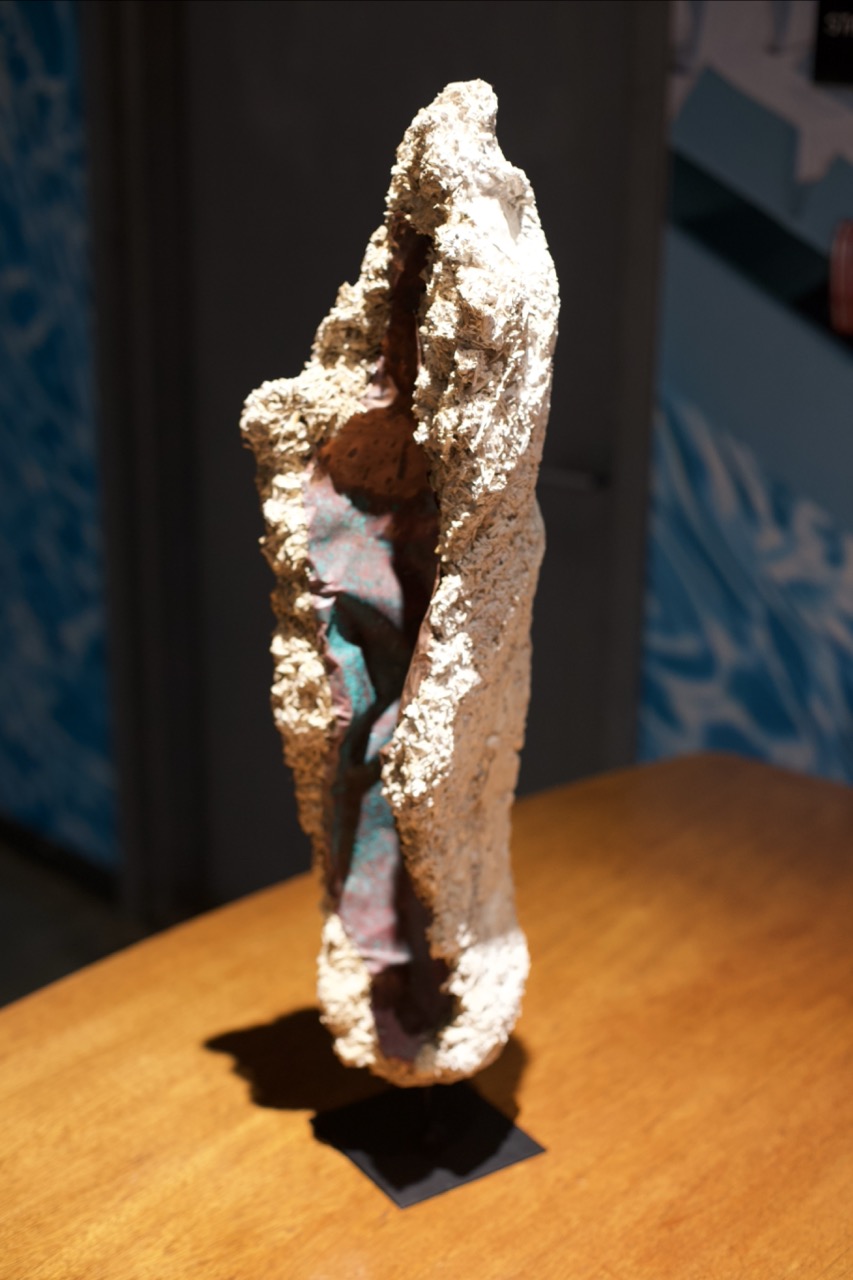
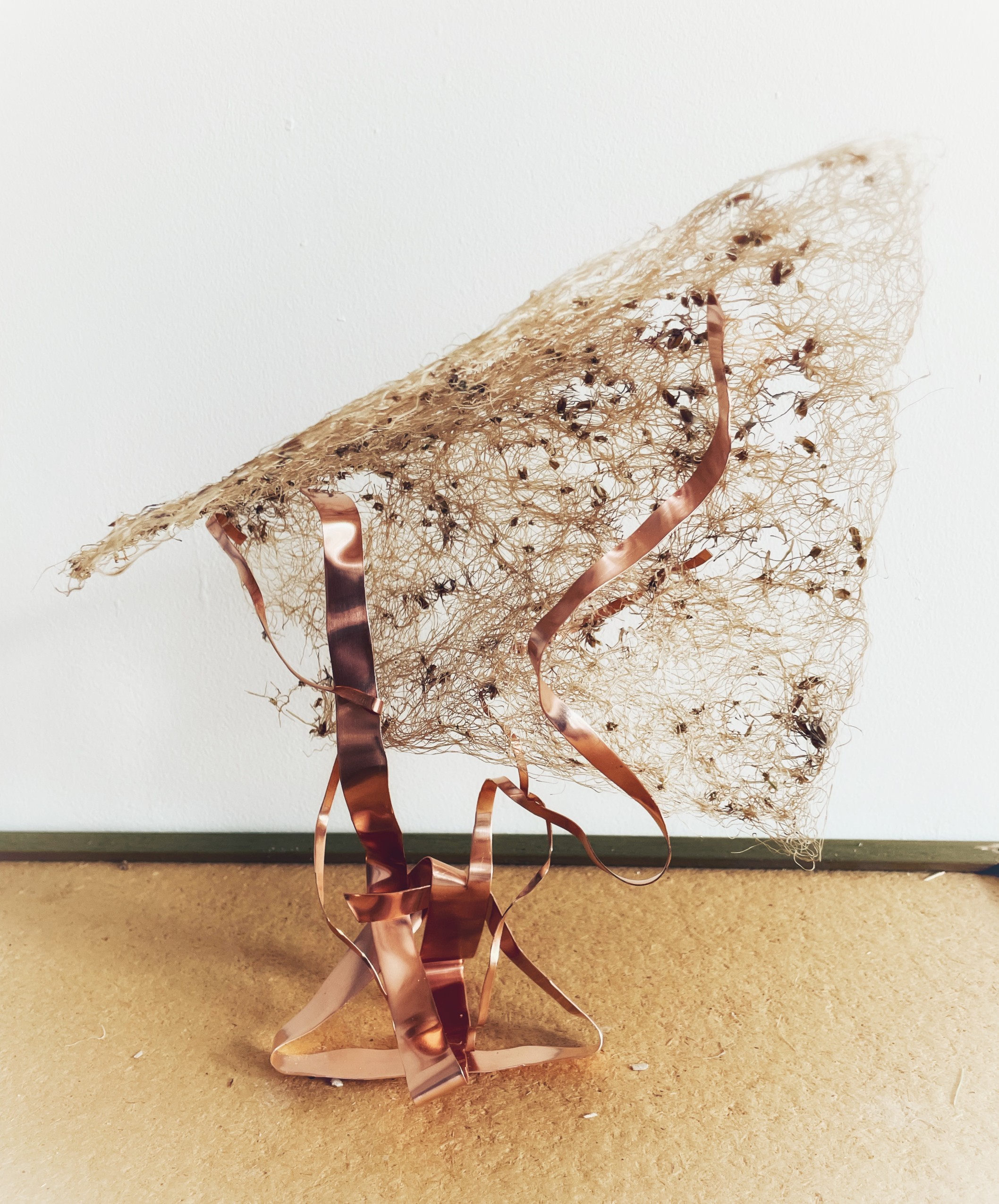
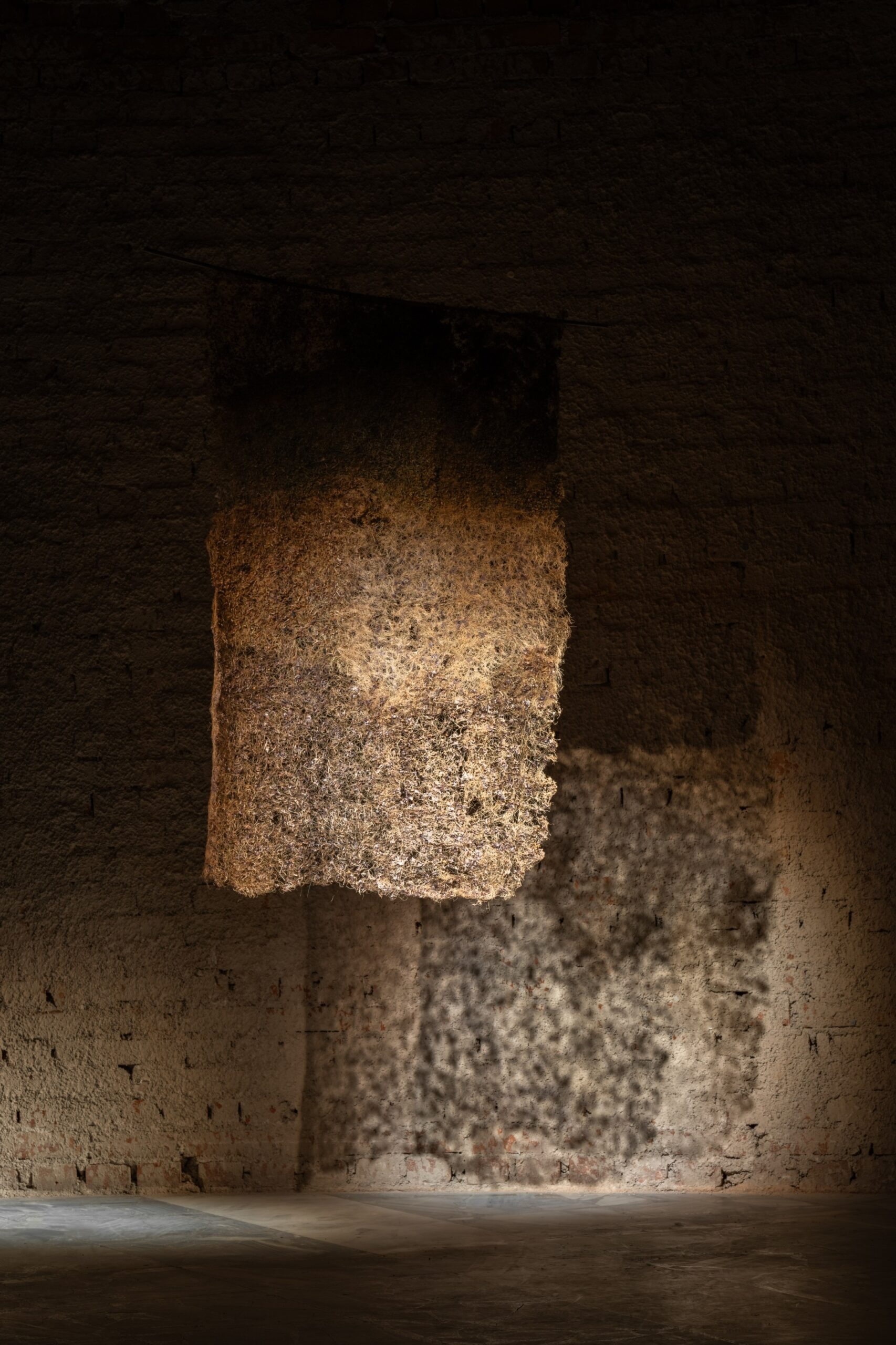
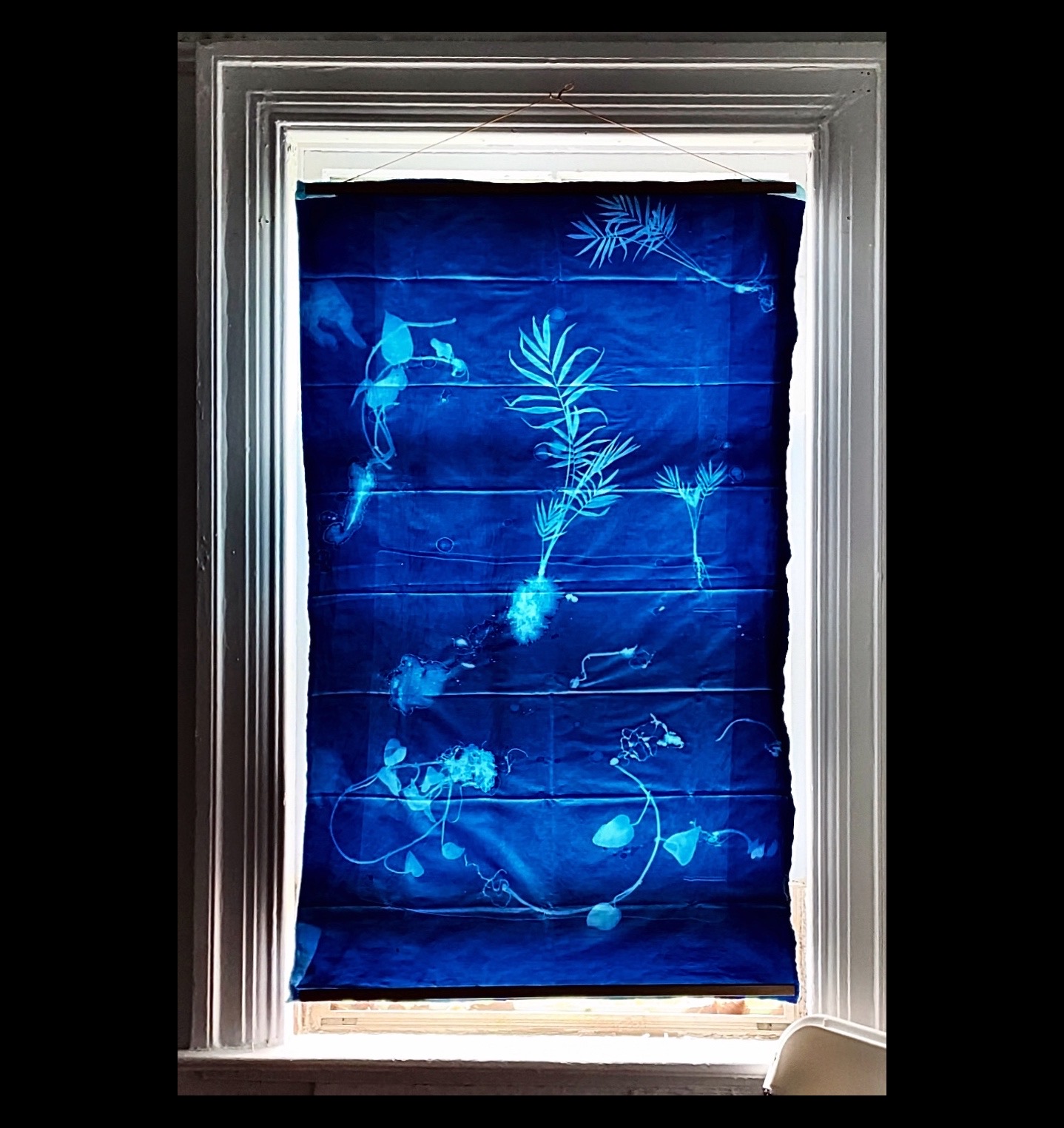
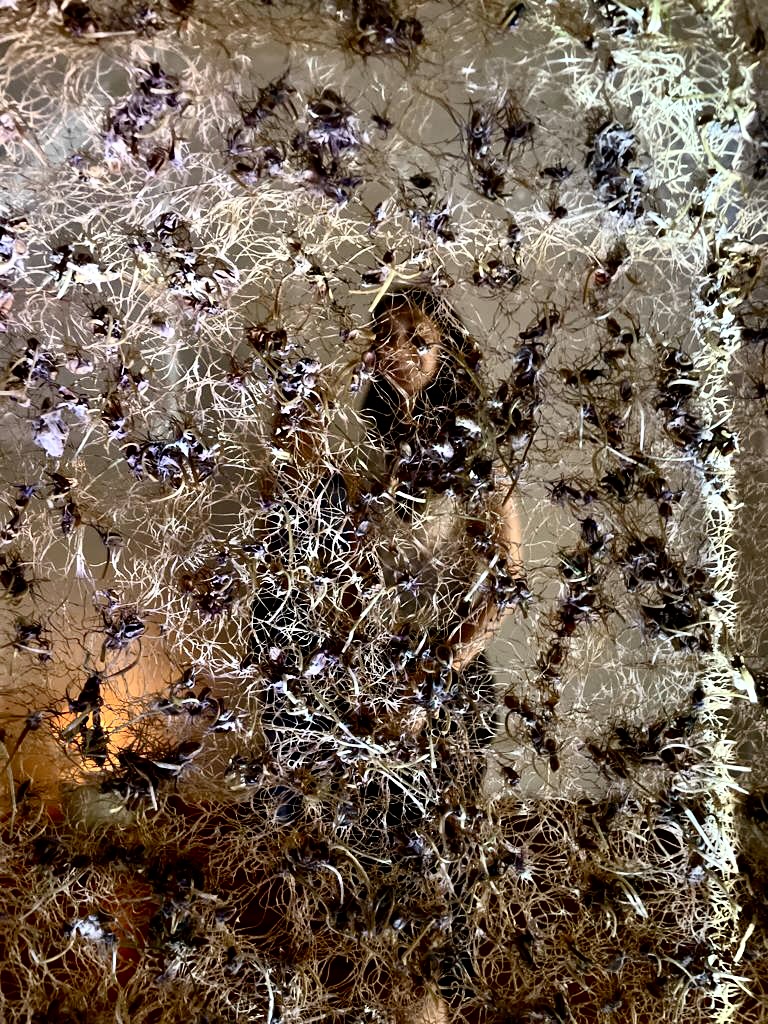
Today Revon experiments with biomaterials — sculpting with or printing on mycelium, deconstructing natural elements like seeds, rocks and minerals, and crafting root canvases. Her innovative techniques create layered pieces that explore life, time and memories; Revon is the type of artist who doesn’t fit neatly into any one category, embodying deeply interwoven insights, diverse perspectives, and a lifelong curiosity. Here, we speak to Revon about all of these inspirations and more.
Inspire EditionAre the themes of origin and roots in your work motivated by explorations into your own identity?
Roxane RevonI didn’t think so at first, I was just extremely intrigued by the variety of their abstract patterns. But now I do realise there is probably a connection with my dual identity — my father is French and my mother comes from a Sephardic family in Tunisia — and the need I felt my whole life to expand on that. I don’t consider roots as static or fixed forms of life, but as a perfect balance between a vital exchange of nutrients and collaborative relationships on one side (eg. the way trees interconnect through underground roots and mycelium networks); and self-development on the other.
I’m also interested in the concept of rhizomes, which are underground plant stems that grow horizontally, capable of nourishing other plants when they are about to die. Their interwoven life system inspired French philosophers Gilles Deleuze (1925-1995) and Félix Guattari (1930-1992) to imagine a model of Western society based on horizontal networks, growing from a small seed into a larger form of arborescence. I was also inspired by Martinican author, poet and philosopher Edouard Glissant (1928-2011) who used the rhizome metaphor to propose a radically new approach to what identity is: we are not defined by our “roots” ie. where we are from, but by the encounters we make and connect to throughout our lives.
IEWhat cultural influences, places and connections shaped you growing up?
RRI was born close to Paris and grew up in the South of France, in a small village close to the Sainte Victoire mountain, which Cézanne painted so many times. I think my first sincere connection to nature and its many layers of time and history comes from that place. There are remains of dinosaur eggs in the mountain and the fossils and sediments are very visible. I also had a strong connection with the only tree that grew in my parents’ garden — a big chestnut tree, which I climbed very often. I visited Cézanne’s studio when I was young and had a teacher who revered Van Gogh, so their artistic visions of the landscapes I was living in also had a great influence on me. Also, my discovery of theatre within my small village, and later of philosophy in high school. I think all these influences invited me to expand, not only my identity (I always hated to be just a girl, just a teenager, just a mixed ethnicity person etc.), but my consciousness to other forms of living beings, human and non-human.
IEHave there been pivotal moments of transition on your career path, or have the shifts between genres felt like a natural, gradual progression?
RRIt wasn’t so much a shift, but rather a dance between theatre, philosophy and visual arts, and it was always gradual. I became really passionate about theatre when I was seven years old, after seeing shows with my mum in our village. I immediately took theatre lessons, which were an excellent way to expand my social identity; I played so many characters and watched so many shows in my desire to understand how other humans feel and live. Throughout my childhood, I was always drawing, painting and writing too – these were the moments when I could just be alone with myself (I might be more of an introvert to be honest!) and I cherished them deeply. Around the age of 17 I became aware of philosophy, and it was such a beautiful encounter, as I always had intuitions and big questions that I wanted to explore and discuss. I really admired female philosophers like Hannah Arendt, Simone Weil and Simone de Beauvoir, and I studied hard, but I wasn’t fully happy in the library… I needed to express myself and understand life beyond the intellectual perspective. So, when I arrived in NYC, I started to work as a theatre director and teacher. It took almost a decade for me to trust my creative instinct enough to use art to develop my life exploration and levels of consciousness further.
IEWhat key questions are you grappling with, and inviting others to explore through your art?
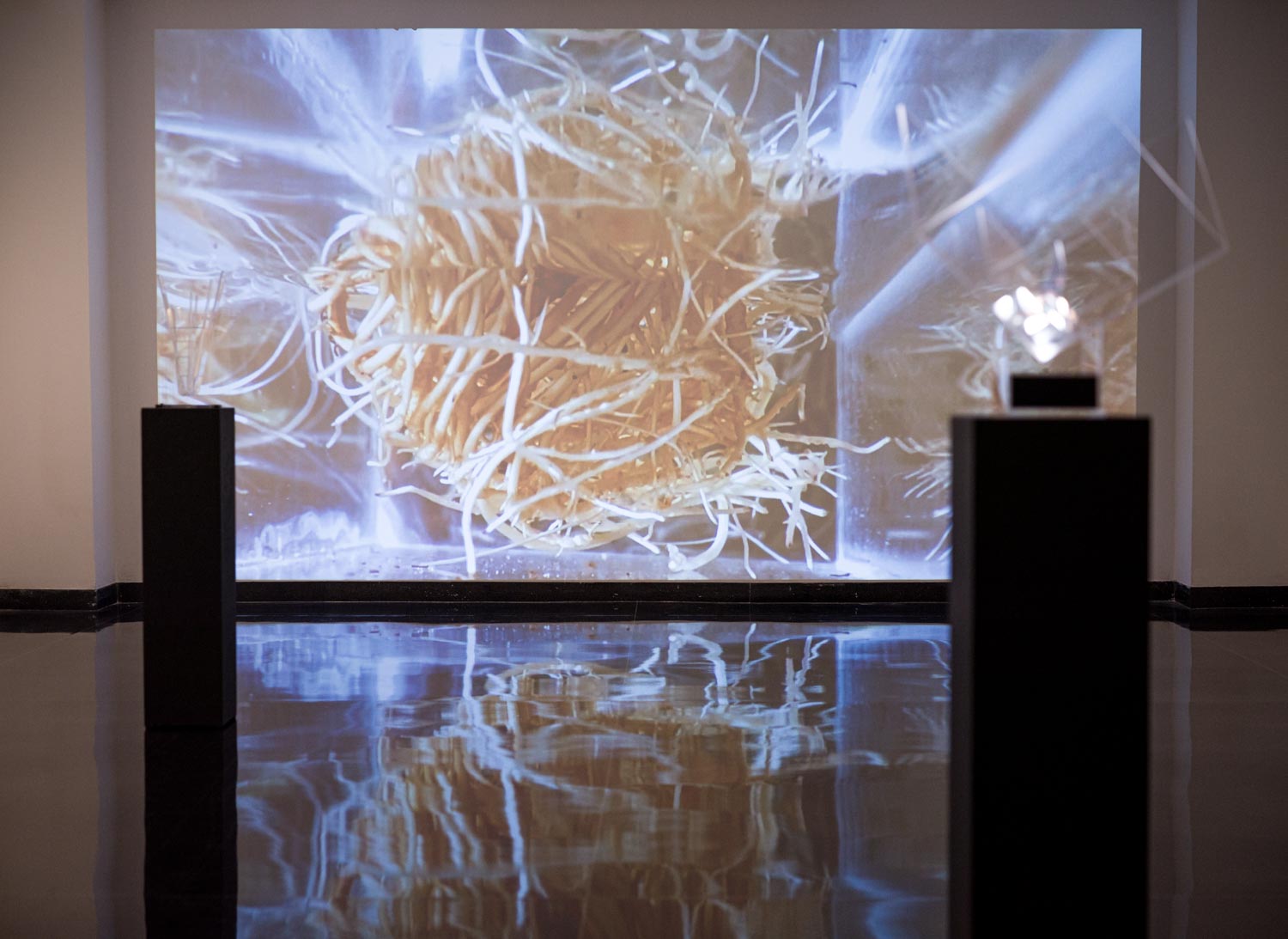
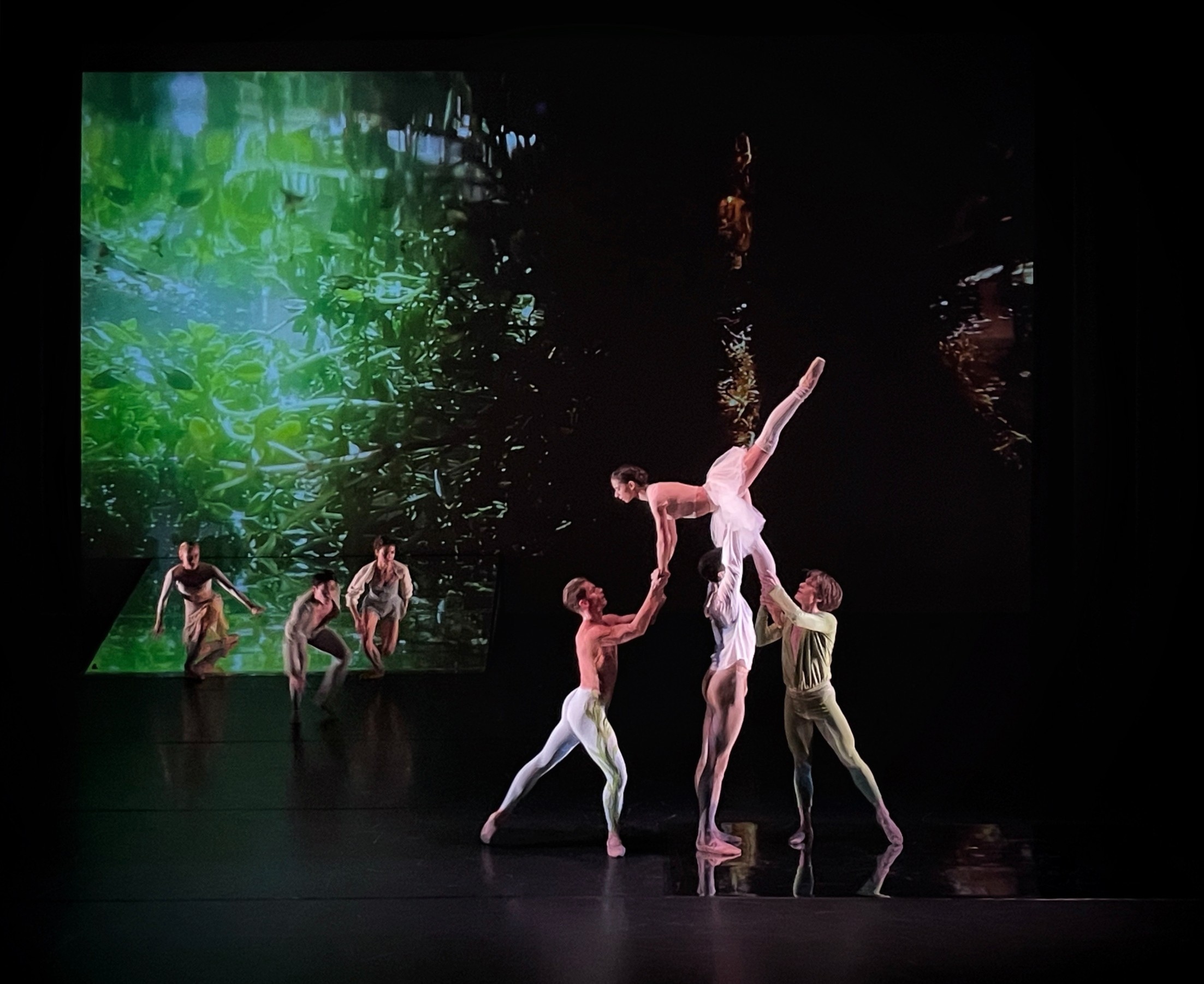
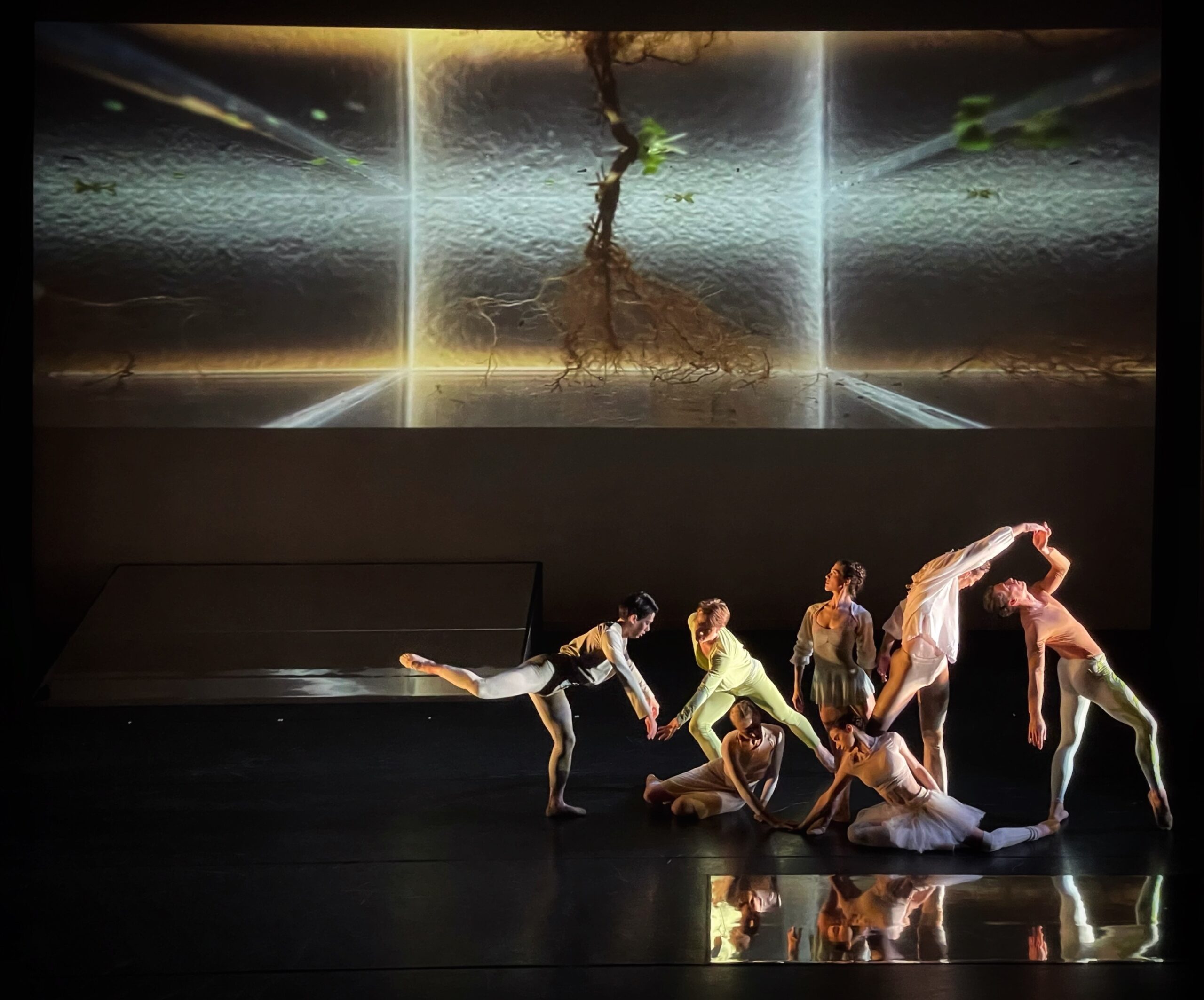
RRI invite people to reconsider the layered history of our environment, revealing its profound vitality and narrative as integral components of the larger web of life. My work often resembles a palimpsest, where layers of lives and stories are superimposed and revealed as the Earth ages, echoing the natural process of sedimentation. Reflecting on biologist Lynn Margulis’s work, which emphasizes that life has significantly shaped Earth’s surface and atmosphere, I observe and collaborate with plant roots, mycelium and bacteria to delve into themes of transformation and our responsibility toward the world we inhabit.
IEWhat are your learnings from plants, mycelium and other species in your creative process? And has this changed your approach to philosophy, theatre, or life in general?
RRYes, absolutely, I think the way theatre and philosophy approach big human questions such as time, space, identity, consciousness, truth etc. is narrow when it’s only focused on human society, as if there were some kind of separation between the human and non-humans forms. The French anthropologist Philippe Descola in Beyond Nature and Culture shows us that some traditional communities never use the word “nature”, as it is a man-made concept. The idea of ‘man vs. nature’ distances humans from other forms of life, considered simply as matter, and this is what allows us to regard ourselves as ‘masters and possessors of nature’ (to quote Descartes), which we now know is impossible. The Buddhist tradition warned us for millennia that everything on earth is interconnected. So art is, for now, my medium to look at things differently, even if I live in a society that hasn’t yet changed its gaze on other forms of life.
IEHow do you most like to communicate with nature? Do you have any daily rituals?
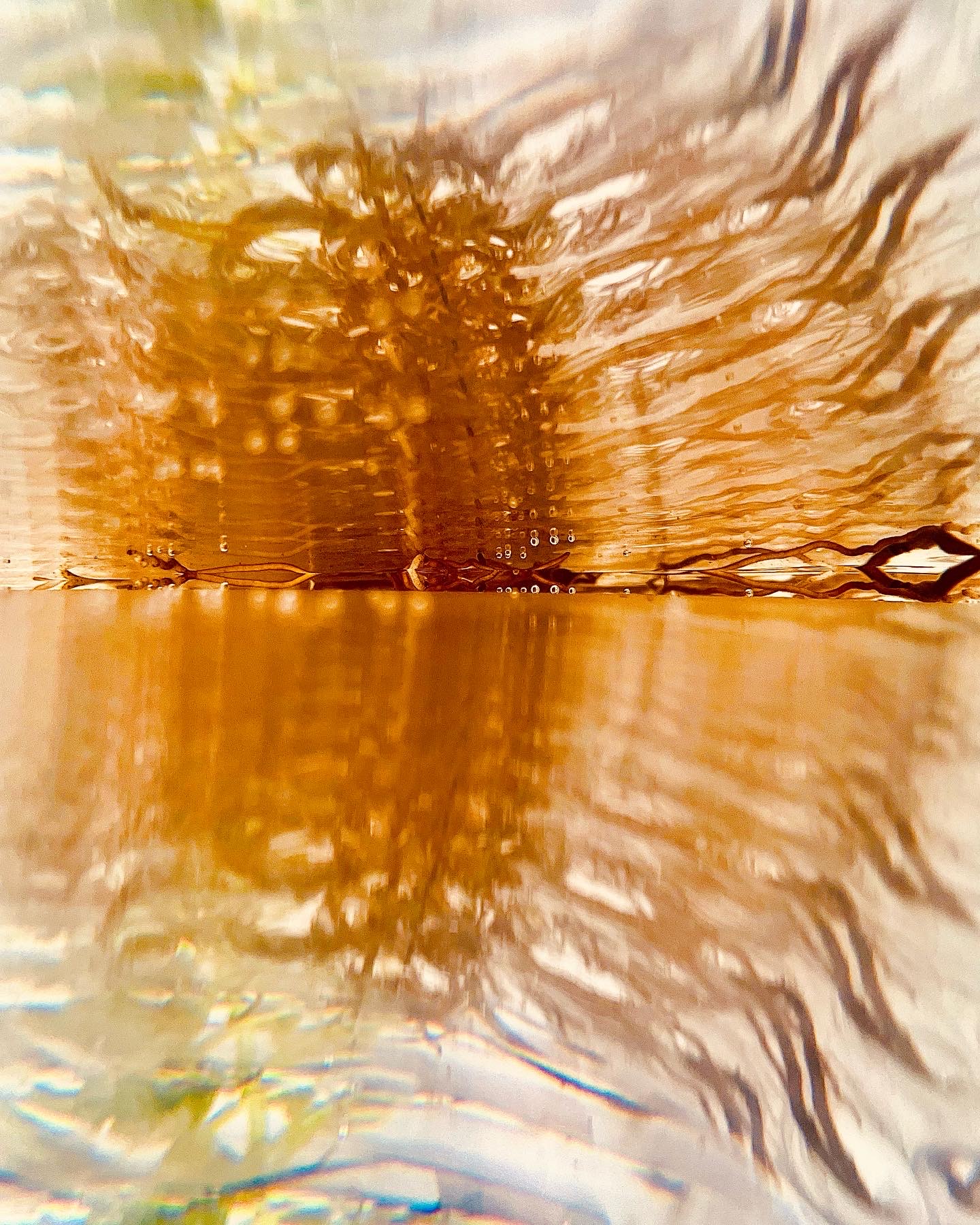
RRI walk almost every day in Prospect Park and I love to stop for at least 10 minutes to admire not only a tree or the animals, but all the subtle changes of light, movements and sounds that occur in this time lapse. It really grounds me to observe something quietly each day. I do the same with my art — observing the growth of hydroponic plant roots or mycelium sculptures. And my large-scale drawings, though abstract, are a naturalistic retranscription of the root patterns I observed, then filmed or photographed in handmade reused plexiglass vases.
IEAny special places in the world where you feel particularly grounded?
RRIn Messejana, a very small village in South Portugal where I spent a two-week residency during the pandemic, at a very difficult time of my life. The storks, the bees, the lavender, the swallows, the farm, the simple beauty of this white-and-blue village all helped me to envision life differently. I came to understand that I didn’t need any social or philosophical reason to be alive, I just am. I try to go back there,a sort of pilgrimage, every year or so.
IEWhat inspires you most right now?
RRI’m excited by a bigger public art project in collaboration with the Danforth Plant Science Center (St Louis, MI), where fantastic scientists are creating very accurate 3D X-Ray models of root systems. I discovered a new visual world thanks to their imagery and I can’t wait to go there to develop my research and create large-scale 3D-printed sculptures based on these models.