Building a Creative Life Between Helsinki & Kyoto

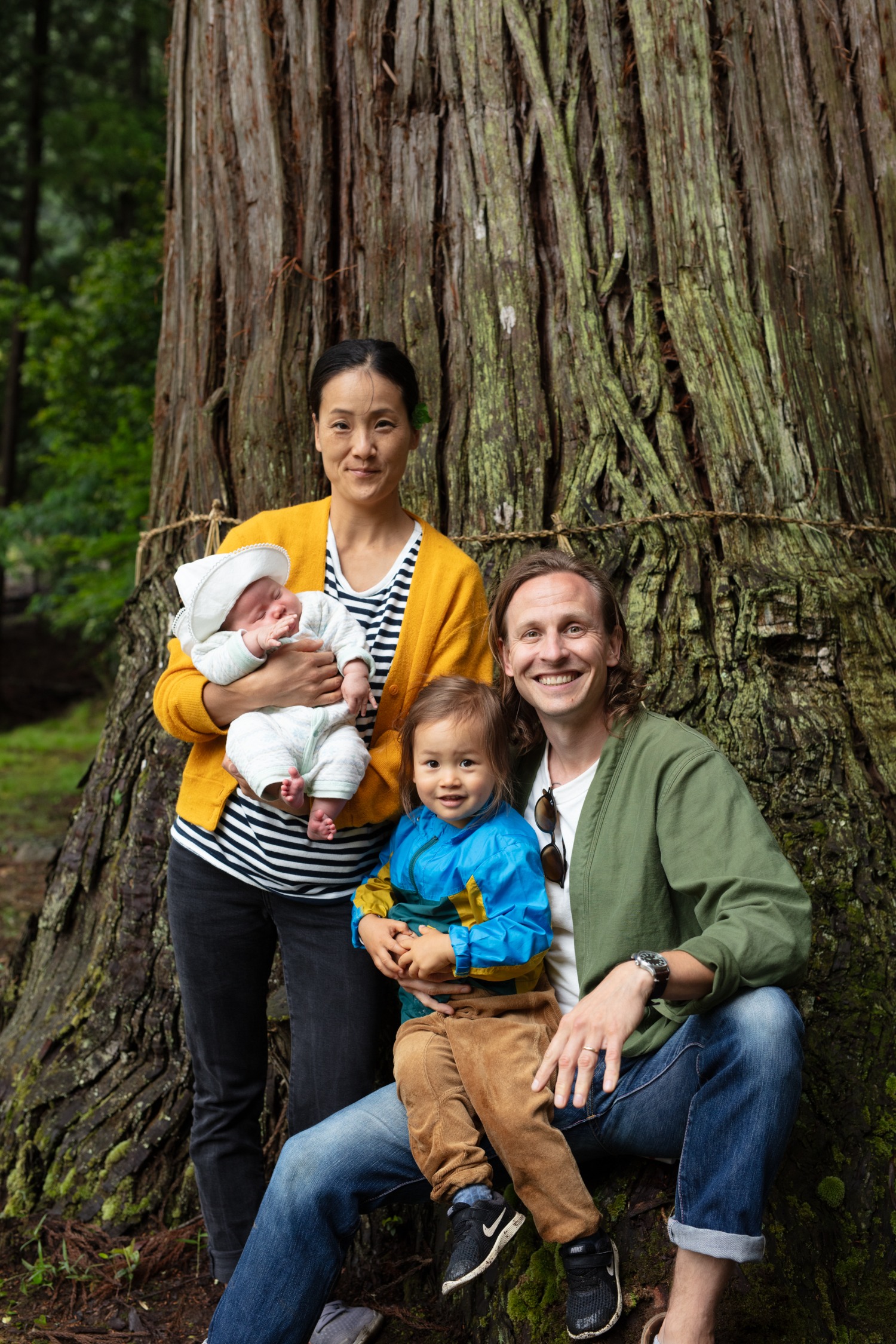
Many would call Carl Bergmann and Asuka Hashimoto a creative power couple, not only for their work but for their shared motivation to drive positive societal change. Carl does this through his still-life and documentary photography, which has appeared in Le Monde, Monocle, and Wired UK, amongst others. His Finnish-Swedish upbringing, German schooling, and subsequent world travel have all broadened his cultural perspectives and given him the openness to seek out new ones.
Asuka creates change through food and words, as a Japanese chef and writer who grew up in the mountains of rural Fukushima. There, her parents ran a holistic retreat immersing guests in nature, mindfulness, and clean eating, all of which still influence what she does today. After graduating from Art School in Australia and a brief career in the non-profit sector, she opened two vegan restaurants before shifting her focus to writing and raising a family.
The couple met in 2015 thanks to a mutual friend, who introduced them in Kyoto. Now, they not only share similar life philosophies, but also a wholehearted dedication to parenthood, and a love for storytelling as a means to preserve the best parts of what makes us human
Inspire EditionWhere did your creative journey start?
Carl BergmannI grew up in Finland, in the Helsinki area. I’ve always been creative and that started with writing – you could say literature was my first creative passion, the kind you cherish so much that you don’t want to do it for a living. For years, all of my creative expression was private, until I harnessed it into photography.
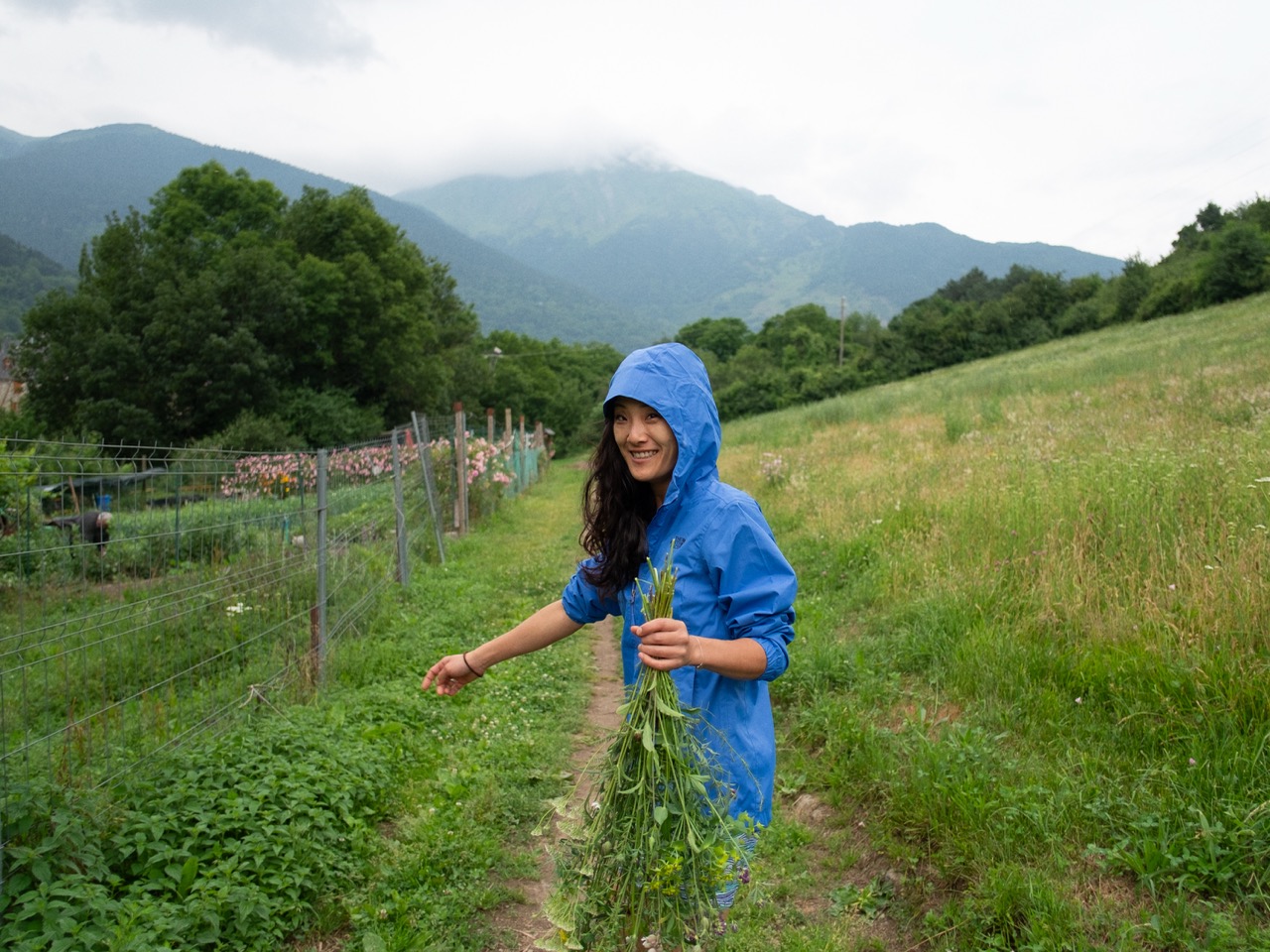
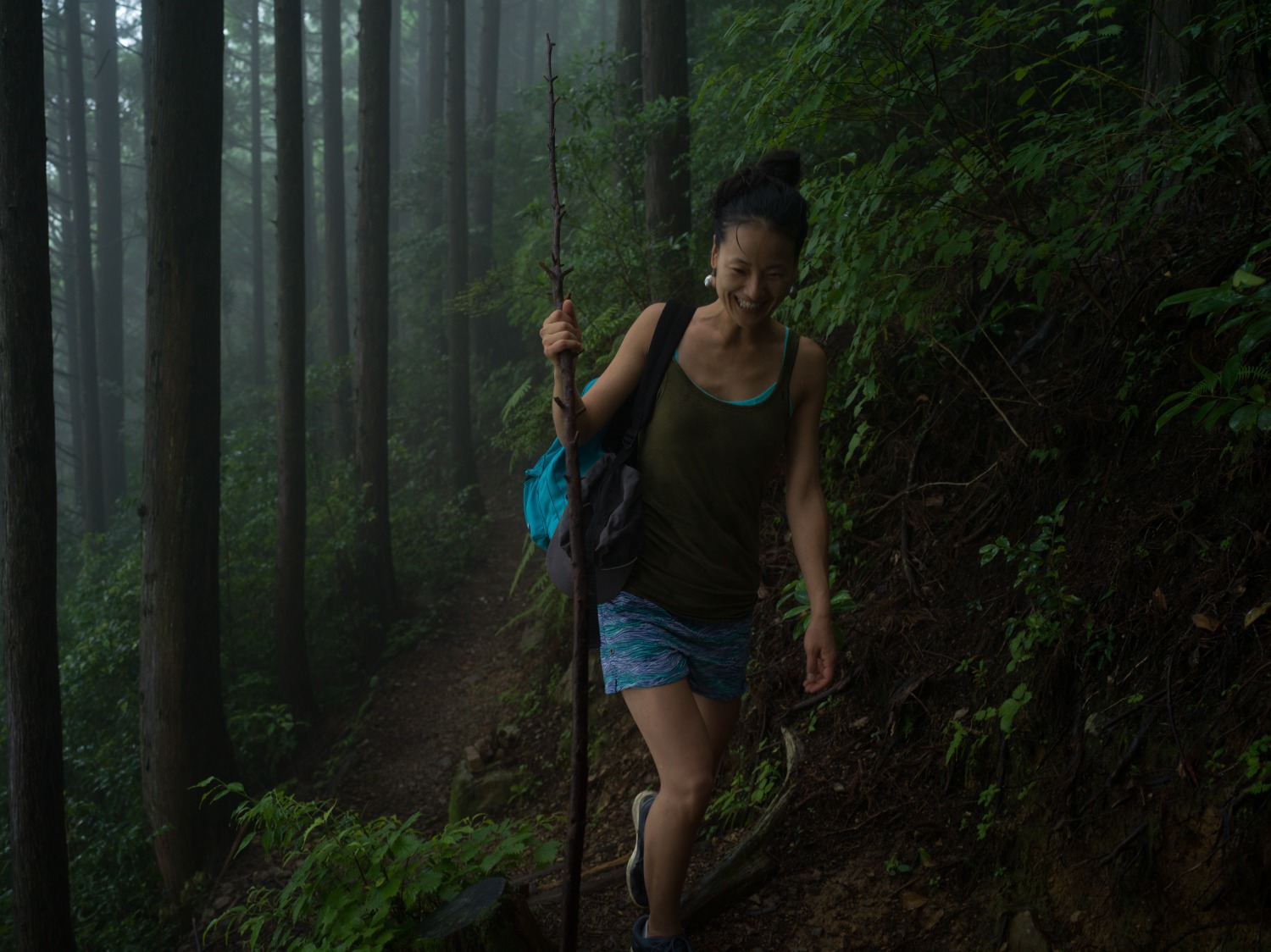
Asuka Hashimoto I was born in a tiny mountain village in Fukushima, Japan — what’s called a “disappearing village” in Japanese — with just five or six families. At 15, I left for Australia, living with a host family and attending a Steiner school, then university. After graduating, I moved to Tokyo, in the centre of it all, to seek work in the non-profit sector. I worked for women empowerment initiatives, and in education for a few years; I learned a lot, but it was also sobering. Some people and power dynamics looked different from what I had imagined and idealised. So I decided to step back a little, and was unexpectedly drawn back to my roots in food.
My parents were part of the macrobiotic movement, which traces back to traditional Chinese medicine, combining food, health and nature. They held retreats that all kinds of people attended — those with health concerns, those who wanted to reconnect with themselves, or those just needing a break. This gave me the chance to grow up around fascinating, creative, and worldly people — foreign ambassadors, actors, bohemians — whom I’d never have met otherwise. It’s something that I’m so grateful to my parents for today, not just their holistic approach to food, but also the cultural openness and hospitality.
IEHow did you make the move into food professionally?
AHI saw food as a stage for storytelling — connecting people, nature and wellbeing. I first opened a vegan, organic restaurant in Tokyo’s Daikanyama district. It was very intense and after two years, I needed a break, so I moved to Hawaii. But just a few months later, the Fukushima nuclear incident happened, and I moved back to help my parents who had to leave their home and village behind. We all settled in Kyoto, where in the same year (2011) I opened my second restaurant, Tosca, together with my sister.
IEHow did this evolve from cheffing to food writing, alongside raising your family?
AHI loved having a restaurant, even though it was never my original intention. What I cherished most during those years was working with local farmers, building connections with people, and especially interacting with children — my favourite customers! Both my restaurants were family-friendly, with special menus, workshops and cooking classes designed for kids.
However, my life revolved around the restaurant, it was all consuming. There came a point where I asked myself: “Do I want to continue like this for another 10 years, or let go to fulfil another dream, becoming a mother and starting a family?”
What has remained constant since my move away from being a restaurateur is my passion for cooking and working with nature and people. I’ve continued to pursue this through writing, contributing to the Japanese-American food magazine Gochiso. But the transition is ongoing, I’m right in the middle of it still! Only now, it’s become a broader conversation between two cultures…
IEOf course – between Finnish and Japanese, what surprised each of you most about the other culture?
AH I’m constantly amazed at how the Finns manage to survive the long dark winters!
CBI would say the difference in gender roles. In Finland, traditional gender roles haven’t disappeared, but they’ve become much more fluid, more equitable. In Japan on the other hand, gender roles and expectations around them are still quite rigid. Also, Finns tend to be more individualistic, whereas in Japan there’s a very strong emphasis on harmony within a group. Let’s just say, it’s been a steep learning curve for me to bite my tongue in some social situations!
IEHow has your connection to your own culture and to place changed with travel?
AHSince moving back and forth between Japan and spending time in different places around the world, I’ve found that the further I get from my own culture, family and close friends, the more I seem to understand myself. It’s strange, but seeing it from a distance makes it clearer than when I’m immersed in it. At one point, I didn’t love being Japanese, but now it’s quite the opposite. I’m starting to truly appreciate and respect my culture, and want to get to know it better.
CBTo me, places hold memories, and the memories that we make are contained within them. Which is why I love going back to places and re-examining them. Travelling and seeing new things is nice, but going back to places is more interesting to me — that’s when I can observe the little things and shifts in energy. Has the place changed, or have I?
It’s a privilege to be able to return to and rediscover places where we’ve had profound life experiences (like growing up, or childbirth). I believe this helps us reexamine parts of ourselves. It can be humbling and empowering all at once.
IETell us about your work together. What is it like to collaborate creatively?
AHWe can both be a little bossy and stubborn, and we sometimes struggle for the director’s seat. But once the roles are clearly set, project by project, it works quite well. And even when we fight, it’s productive because we share a common goal, we just have to agree on the approach.
IEWhat projects are you currently working on?
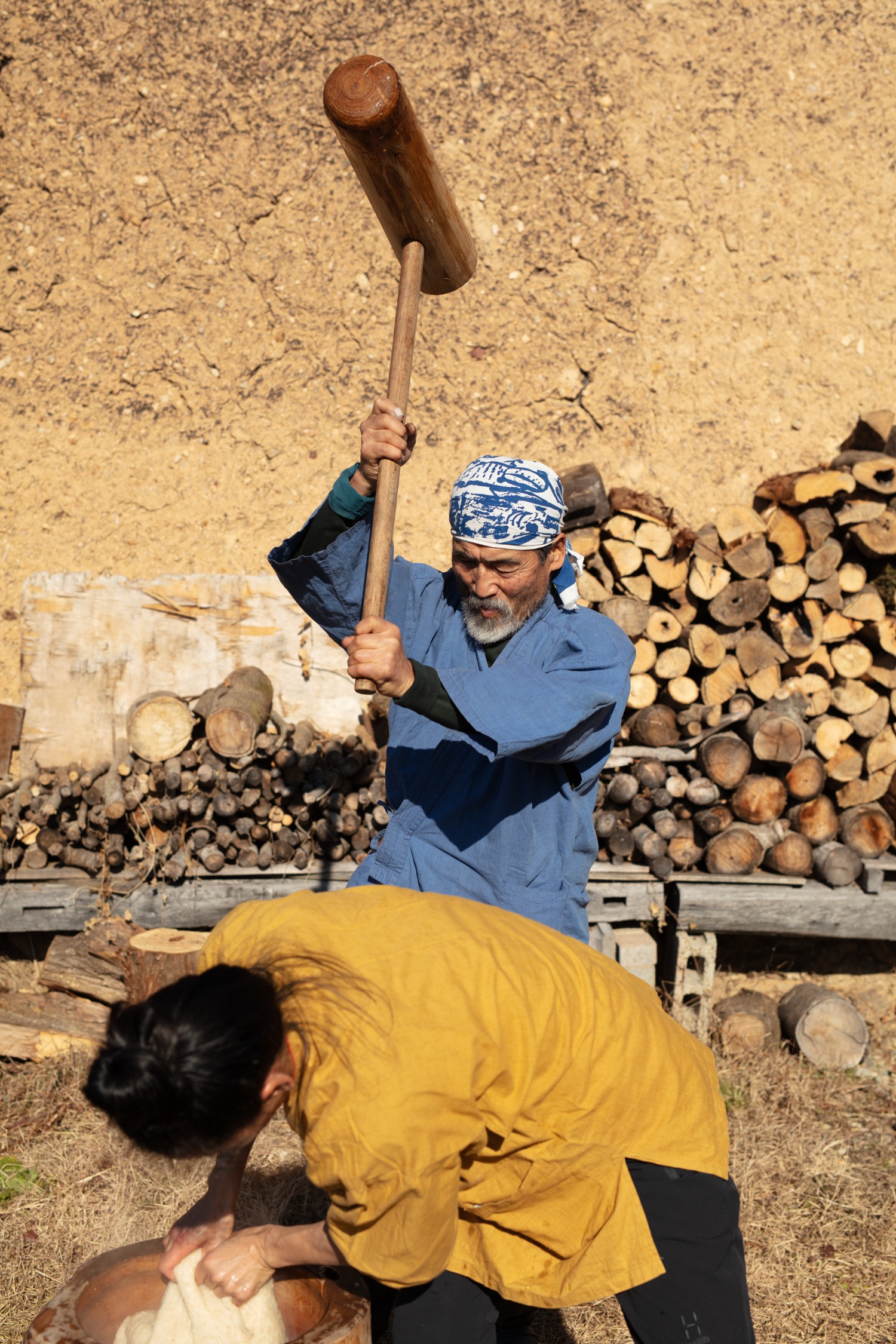
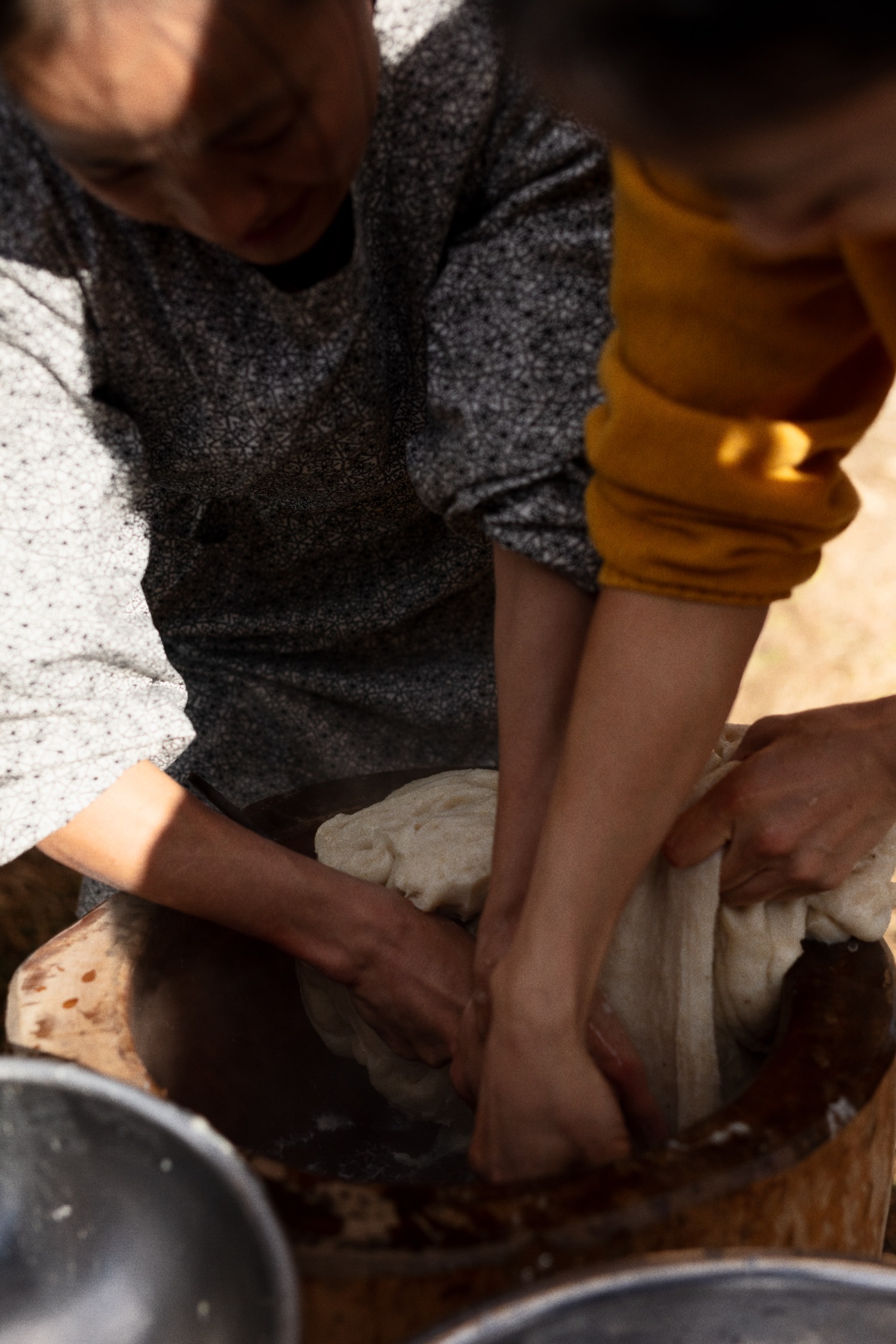
CBFor the past five years, we’ve been documenting regenerative farming in rural Japan. It began when I met the small organic farmers Asuka worked with at her restaurant. The project combines photography, video, interviews, and collected artifacts to capture the lives and methods of farmers who embrace sustainable practices, often defying cultural norms. We want to expose the increasing challenges they face, like climate change and rural depopulation, while celebrating their dedication and resilience. We’ve been travelling back and forth to rural Japan every year, trying to catch all the seasons, for long periods of field research. We’re half-way through the journey now – it will culminate in an exhibition at Kyotographie in 2027, and we hope to expand and showcase internationally later on. We want audiences globally to explore sustainable agriculture and rethink their relationship with food, community, and the environment.
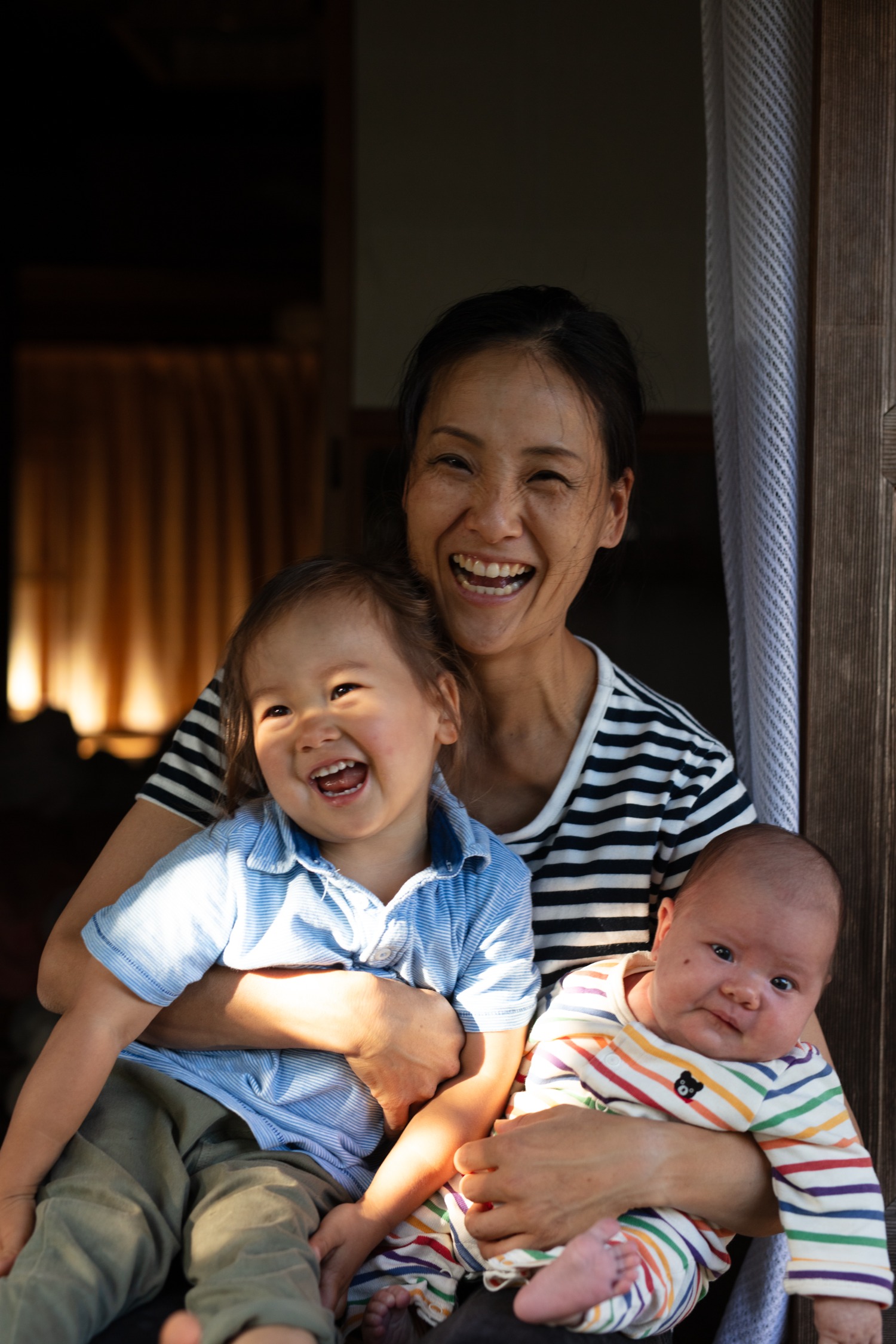
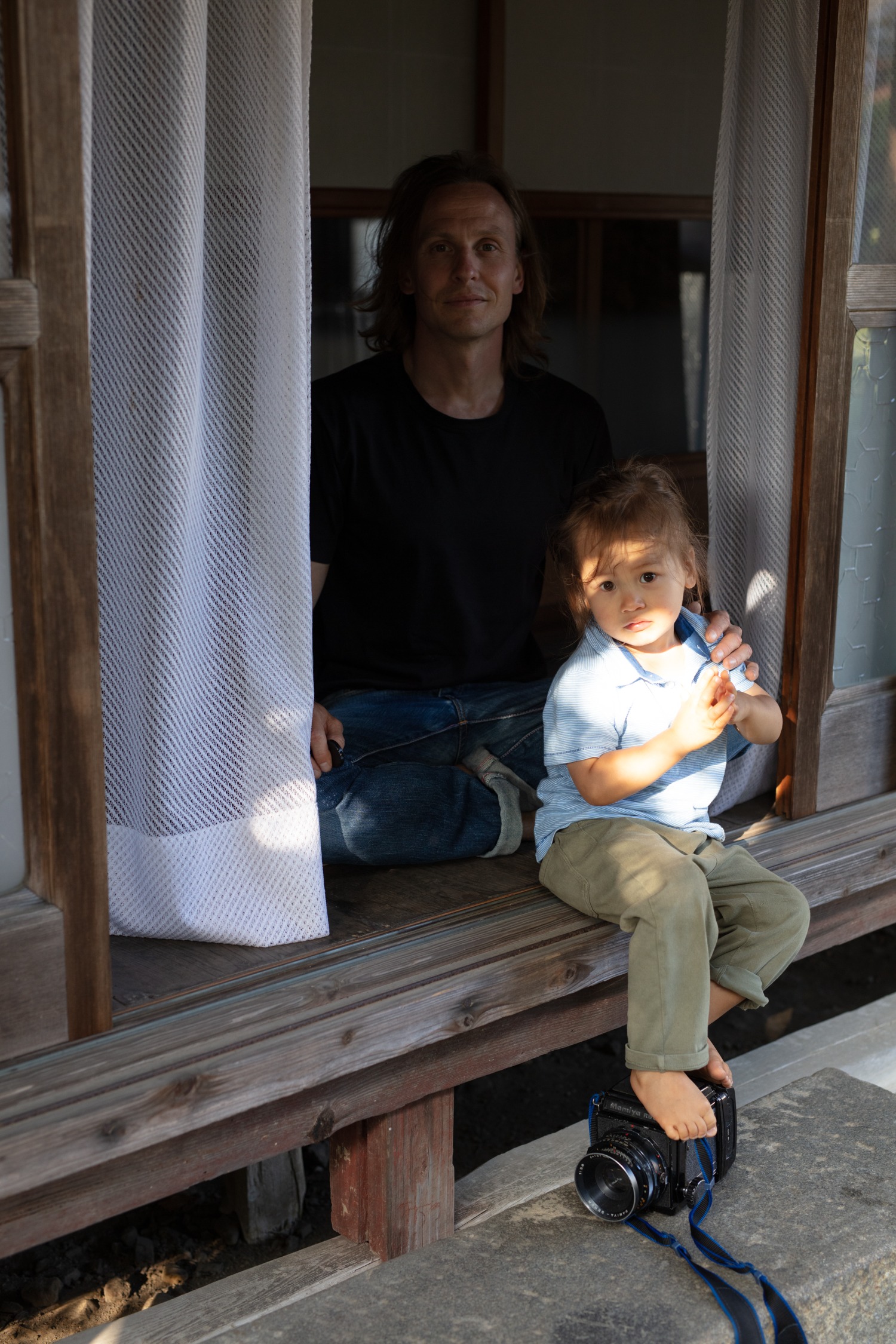
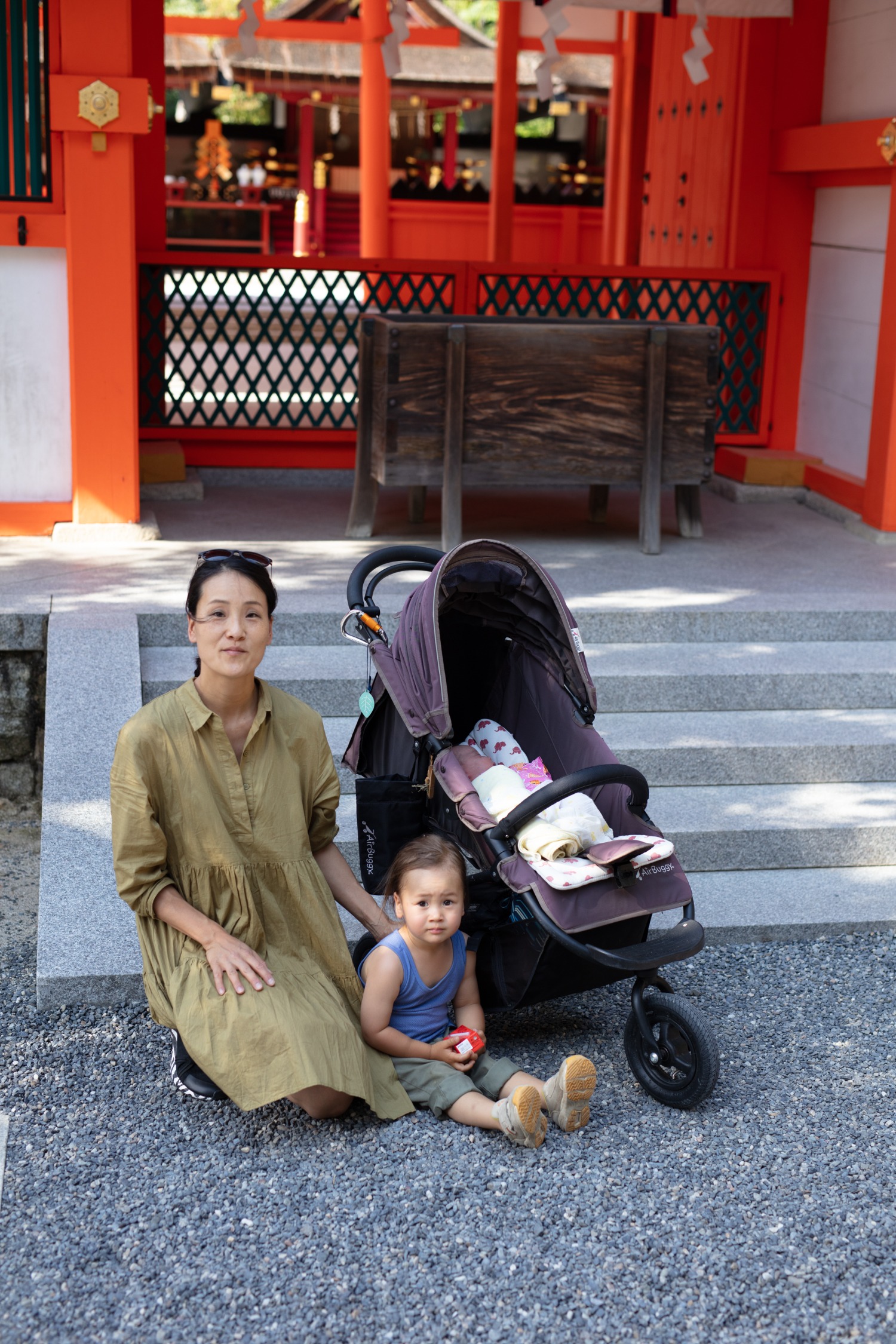
We are also starting a new project about midwives and homebirths in the countryside all around Japan. The idea came about five years ago when our eldest son was born in Kyoto, at Asuka’s parents house. It was a bit of a shock to me at first, but it opened up a new, sacred dimension of home and community. There is a stronger homebirth tradition in Japan than in Western Europe, or better preserved. I became really fascinated with the role of the midwife; it’s deeply emotional, they form such a close relationship with the mother and the family, bringing not just their crucial expertise but also a lot of authority and support, which creates an interesting dynamic.
There’s also something mystical about homebirth — ordinary, familiar spaces are suddenly transformed by the powerful experience of childbirth. They gain a whole new meaning through it. All of this is what we’ll be exploring through images and interviews in this upcoming project.
IEWhy is it important to you both to share these stories and human portraits with the world?
CBWe are interested in exploring the roots of what actually makes us human. Once we thought creativity was something uniquely human, but now with the evolution of large language models and generative AI, we see that may not necessarily be the case. Personally, I tend to think it’s not being creative that makes us human — it’s our embodied capacity for love, care and self-sacrifice.
For example, with the farmers’ project, we try to tell these stories of people who are separated by time and by location but connected through a shared soil. They also share a care for the land and an absolute dedication to one of the most impactful and generous acts — producing food.
IEWhat inspires you most, in your creative and personal life?
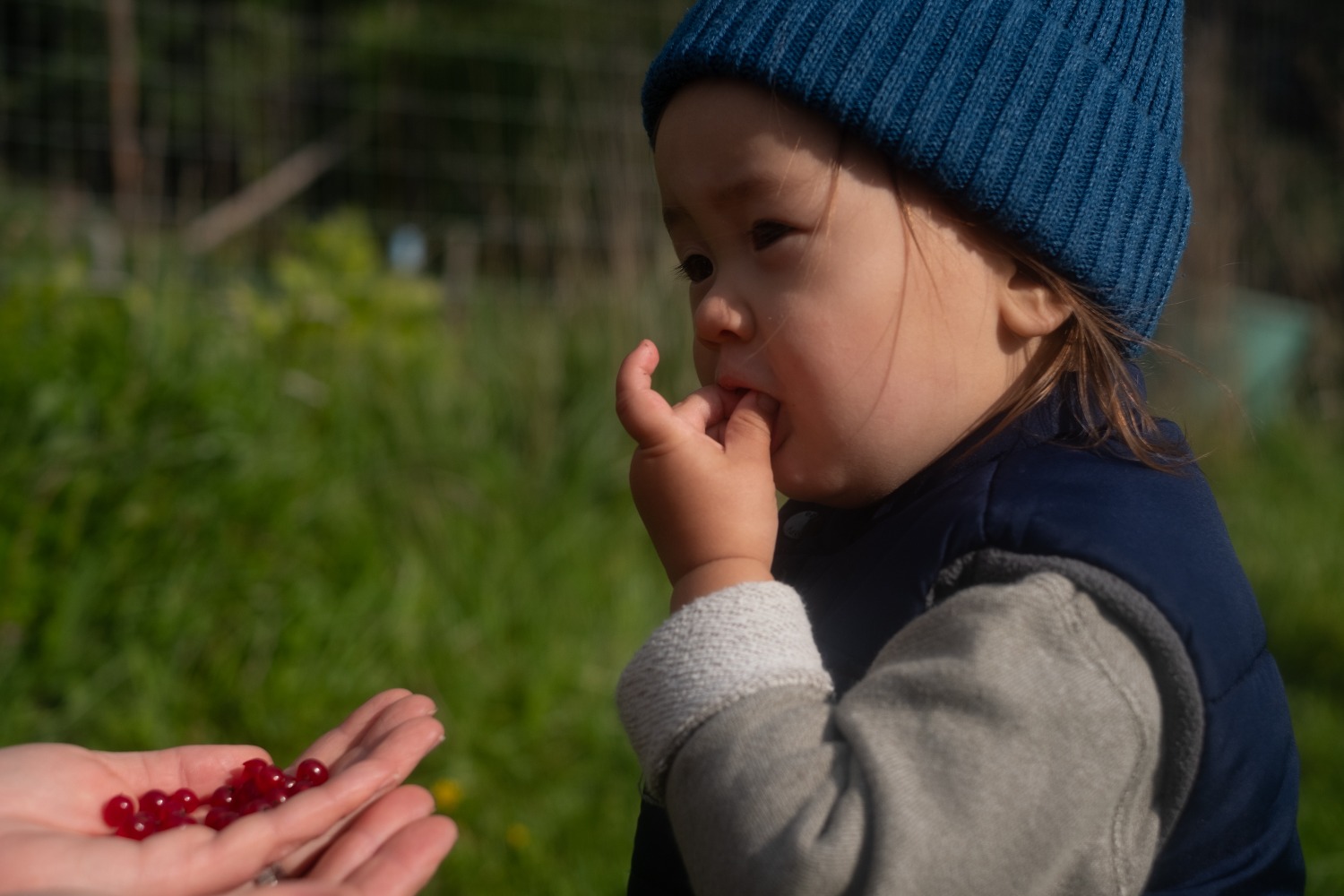
AHNature and kids — always!
CBFor me, it’s Asuka. She has a special glow about her — like a halo of positivity that is palpable when you meet her in person. She embodies health and impact in a very wholesome way, it’s inspiring!