A Plant-Based Guide to Japanese Food

Whether we’re aware of it or not, I think each one of us has a deep relationship with what we eat. Food is not just a source of sustenance; it’s a familial and cultural heritage, a powerful social tool for connection and belonging, and it undoubtedly shapes our identities.
The journey of food begins long before it graces our kitchen tables and continues even after it’s gone from our plates. Two seemingly similar products may share their outward appearance, but each ingredient carries its own unique story. Do we prefer to engage with a narrative of collaborative growth, nurtured by healthy and fertile soil and supported by hardworking individuals, or with a story of unchecked consumption and extractive industrial farming? Personally, I strive to remain mindful of my decisions, hoping to contribute positively to history.
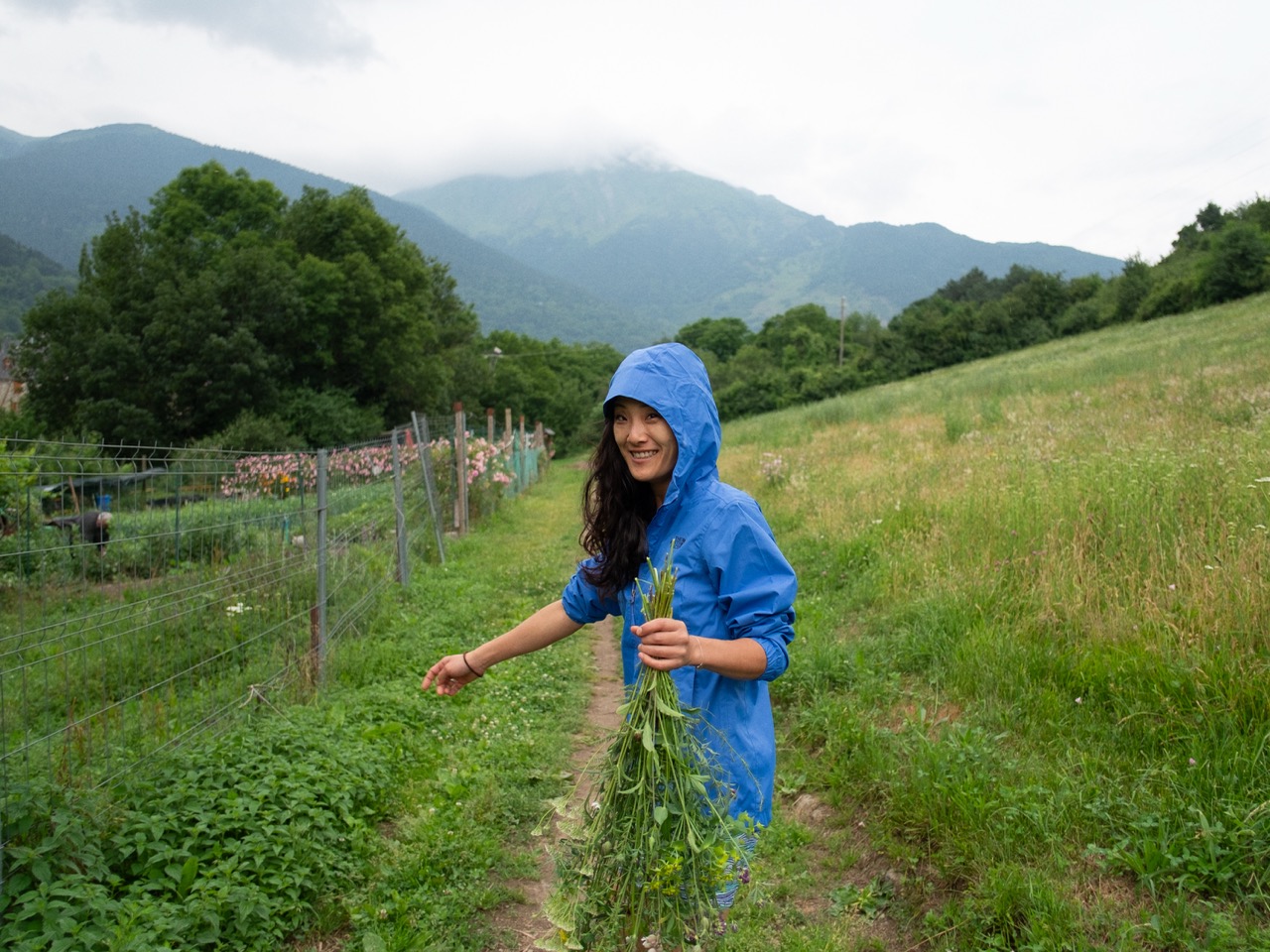
I was born and raised in rural Fukushima, Northern Japan, in a vegan household that prioritized natural and organic ingredients. At the time, it didn’t seem particularly special, but now I realize that the food we grew up on was a real luxury. Our vegetables, fruits and grains came from our own fields, purchased from local farmers or sourced through a network of organic producers across the country. Whenever possible, we made our meals from scratch, but occasionally, we also relied on traditionally produced, low-processed foods. The prevailing cultural norms were vastly different from our lived experience, but my four siblings and I grew up healthy and have maintained the same approach to this day. My parents worked incredibly hard to provide us with this lifestyle, and I can only express my gratitude for the sacrifices they made and the path they chose for themselves and for the whole family. Looking back now, I realise that this is a big part of what inspired me to become a chef — passing on the love of feeding others with intention and care.
Modern Japanese cuisine is not widely known for being vegan-friendly, especially outside of the country. However, there exists a rich tradition called shojin-ryori, which is entirely plant-based and built on the Buddhist principle of fusesshou (non-violence). Shojin-ryori has roots in Chinese & Korean Buddhism, but its origins in Japan lie in Zen temples where it was developed as a meal for monks from the 13th century onwards. The ingredients are mainly vegetables, fruits, grains, wild plants, seaweed and soybean products, cooked in various ways. As the style was refined, it is said that some foods that are now universally loved and indispensable to modern Japanese cuisine originated from it, such as miso, soy sauce and tofu. Shojin-ryori continues to exist in its pure form and modern Japanese vegan cooking continues to draw inspiration from it.
Another great source of plant-based inspiration is the following framework for Japanese cuisine:
- Goho; ‘the five methods’ of nama (cutting), niru (simmering), yaku (grilling), musu (steaming), and ageru (frying).
- Gomi; ‘the five tastes’ of sweet, sour, salty, bitter and umami.
- Goshiki; ‘the five colours’ when plating foods of red, yellow, blue (or green), white and black.
- Gokan; ‘the five senses’ of sight, hearing, smell, touch and taste.
All of these elements are incorporated, both by the person who prepares the food and the person who eats it. The idea is that taste alone doesn’t determine the value; to truly understand a meal, one must use all five senses: feeling and appreciating the time taken to make it, ingredients representing the seasons and visual beauty; taking in the sounds, aromas, and textures when eating. Each brings value to the table in Japanese cuisine.
When I come across this omotenashi or ‘hospitality,’ I am able to fully immerse myself in the present moment. Savouring the entire narrative behind a meal transforms it into a cultural experience and a source of wholesome entertainment, rather than just serving as fuel.
Here are just a few examples of plant-based Japanese dishes worth knowing and trying, and my personal favourites to make:
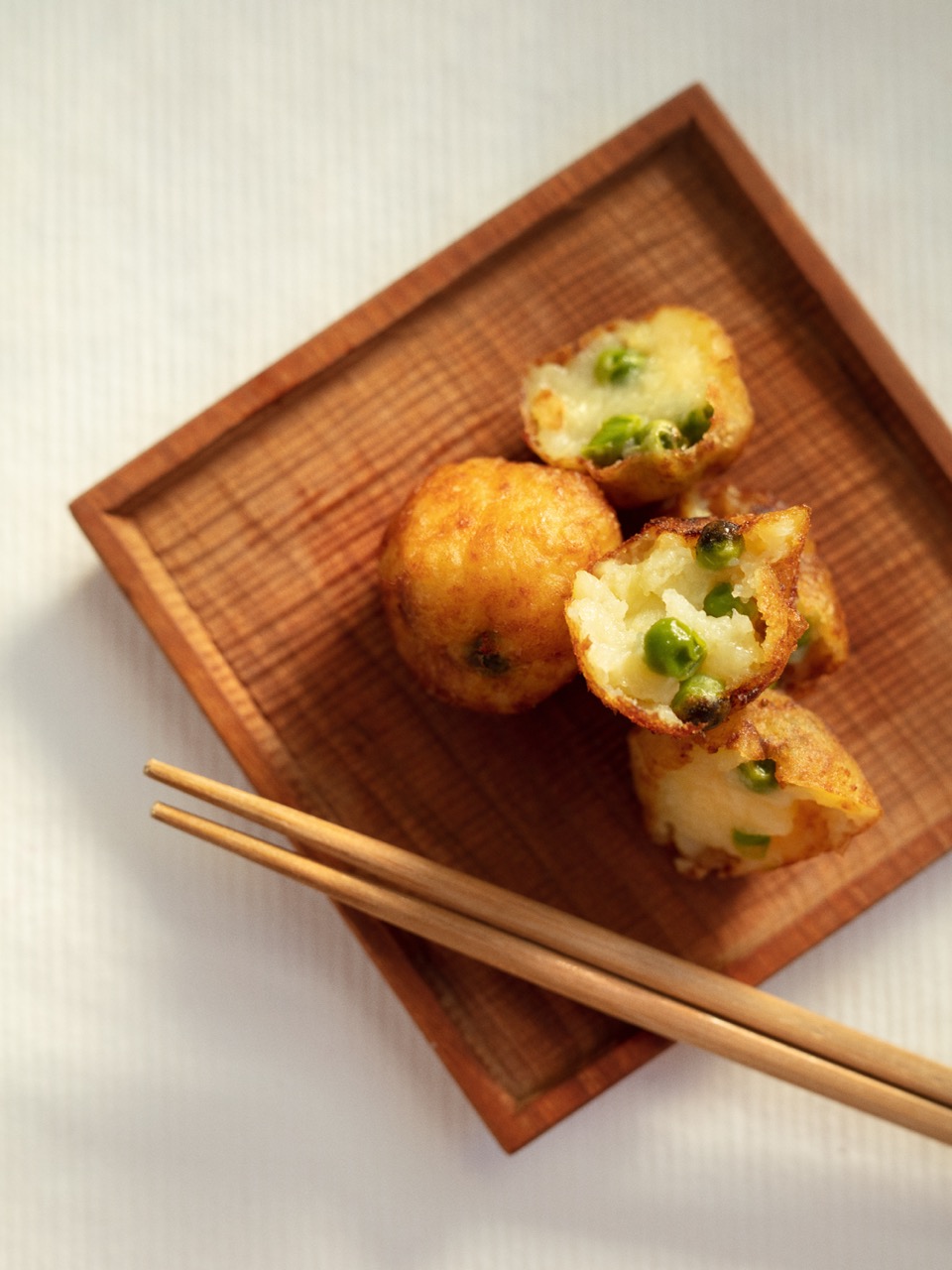
1 Whole Grain Pie
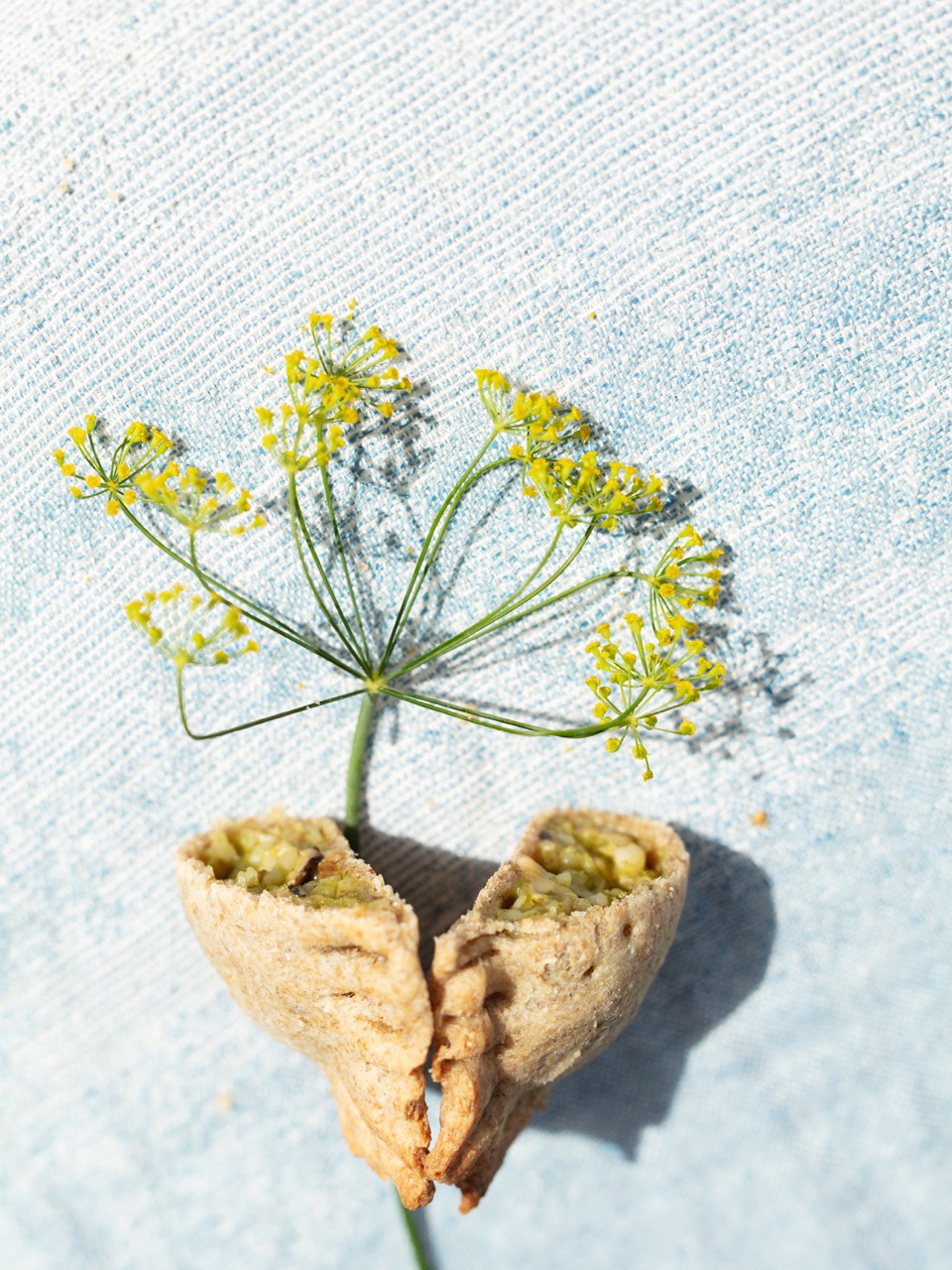
A whole-wheat rye crust encasing brown rice mushroom risotto.
I love the way brown rice can be cooked in so many different ways. I remember participating in the rice planting and harvesting every year at our family friend’s natural farm. That rice still remains my number one food memory today.
2 Red Power Soup
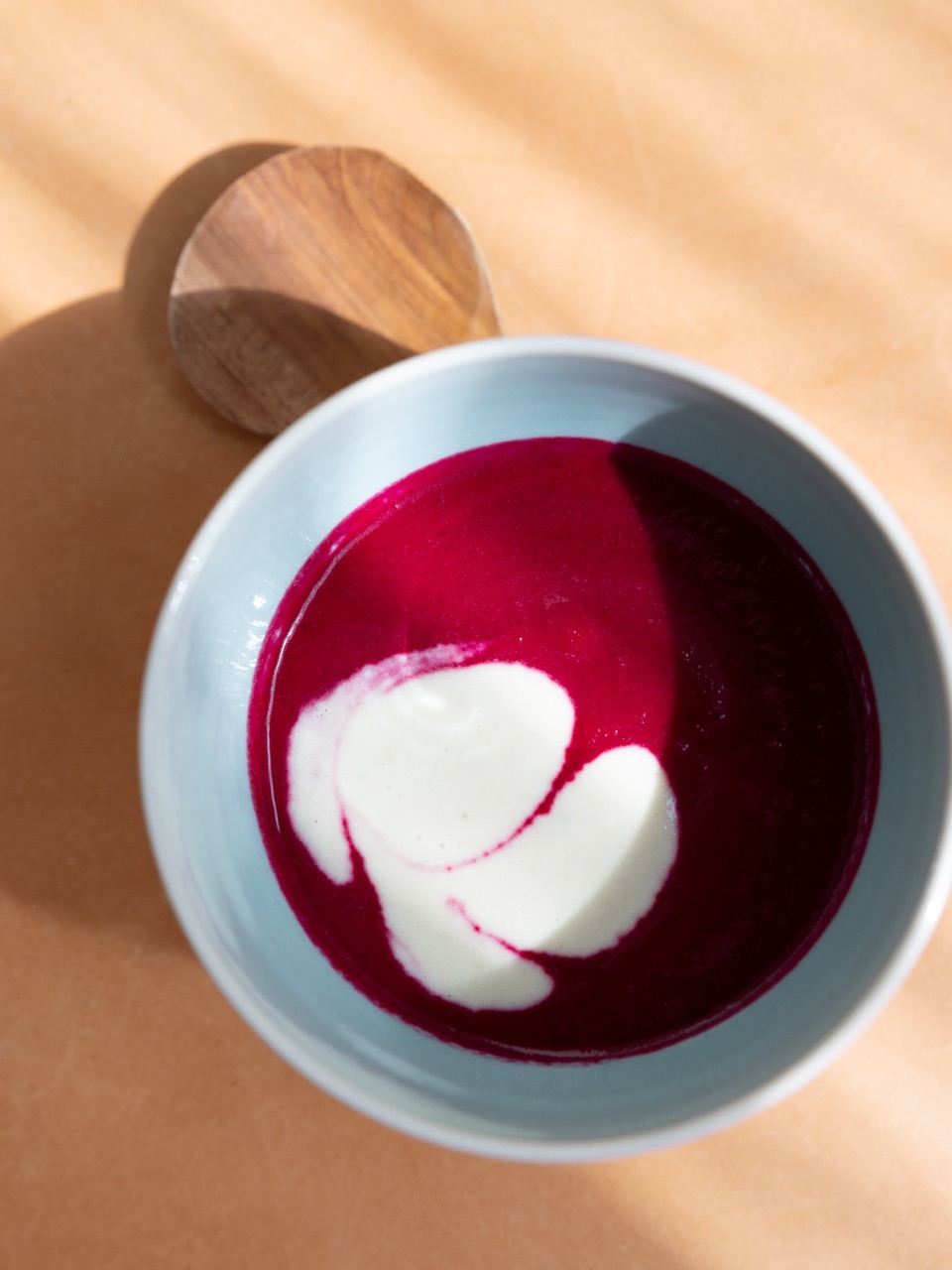
Beetroot and onion potage with a hint of white miso.
I have always liked making and eating soup, because it’s a dish found everywhere in the world, always packed with the history, nature and characteristics of the place. Also because soup is for everyone, from the youngest to the oldest!
3 Spring-Spun Cabbage
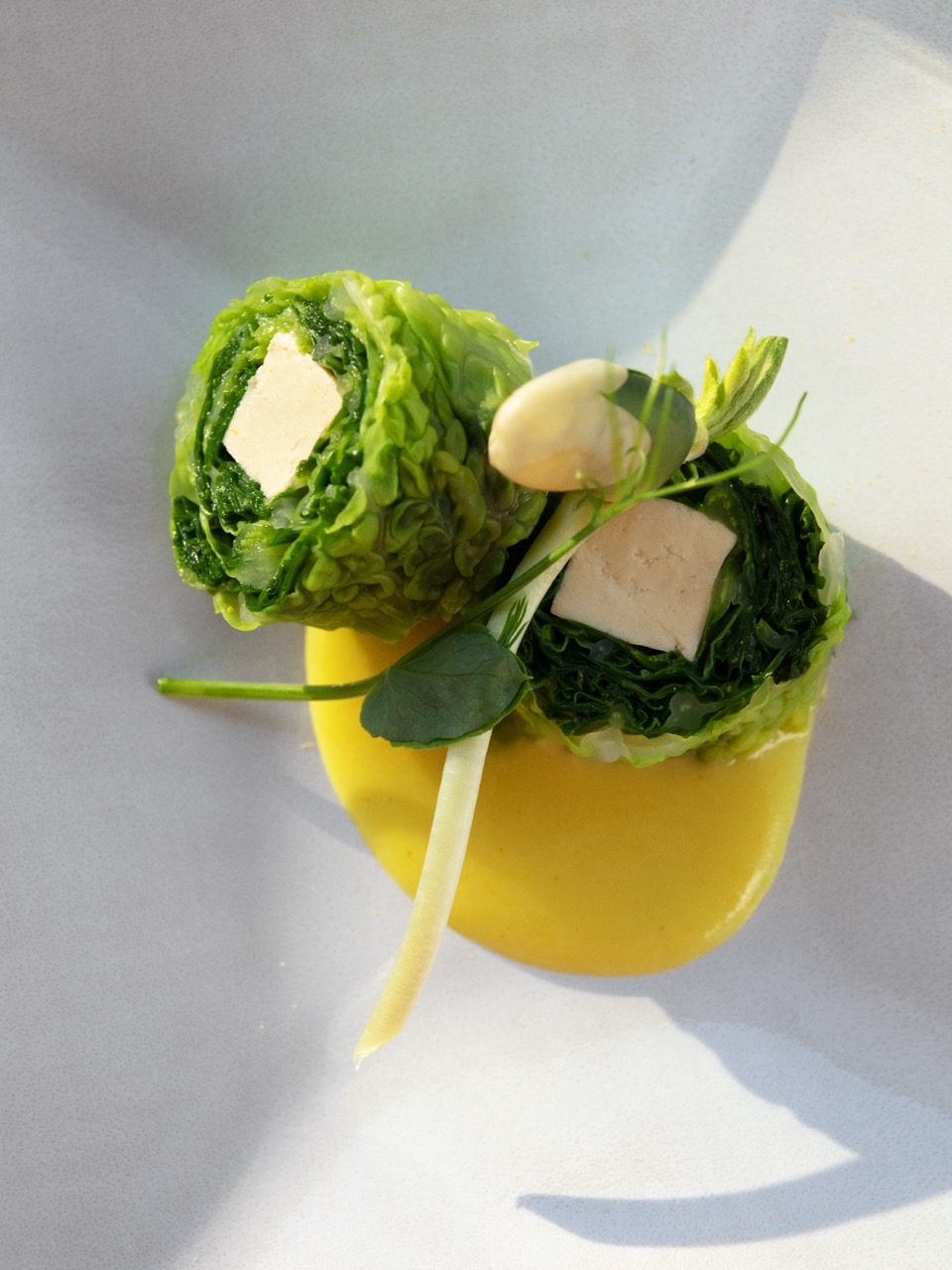
Smoked tofu rolled in young cabbage leaves with lemon and turmeric sauce.
The beauty of the lightly boiled leaf veins, the scent of lemon peel, the cuteness of soybean sprouts… Pure aesthetic joy! We chefs are always delighted by the beauty of nature as we work with its gifts.
4 Azuki Yokan Citrus Jelly
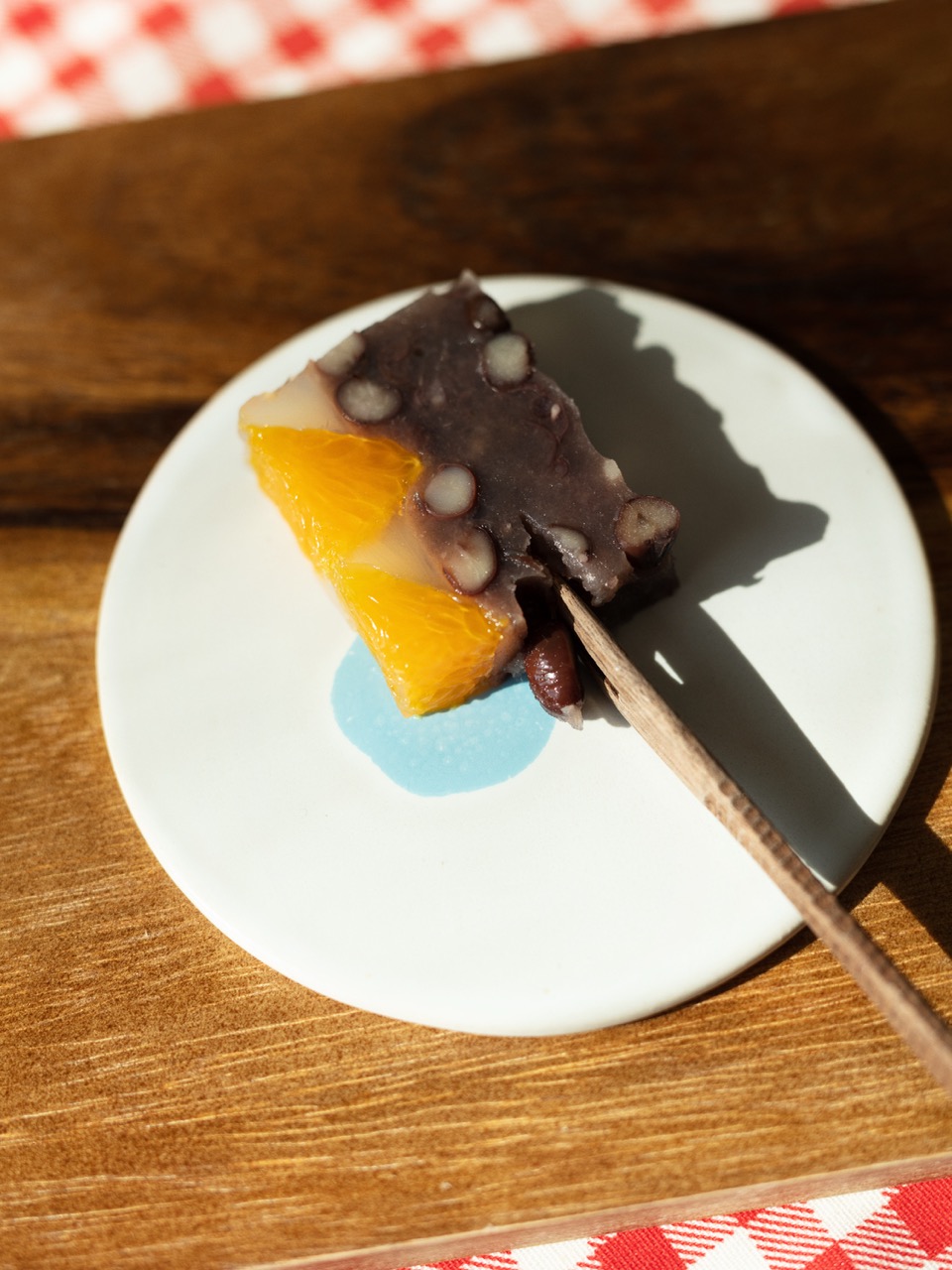
A chilled Japanese dessert made of red bean jelly, agar and orange.
Agar comes from the sea, mandarin oranges from the mountains, and red beans from the farm in between the two. Red beans have been eaten for celebrations and festivals since ancient times in Japan, they are one of our soul foods.
5 Warming Apples, as They Are

Baked apple filled with almond cream.
A winter treat that’s quick and easy to make; the sweet and sour aroma of apples overflowing from a large, heavy cardboard box was a sign of the coming of winter in my childhood. I love the smell of fruit baking and the atmosphere it creates in colder months.